


15/05/2026
When preparing to study abroad or work in Japan, one of the issues many people are most interested in today is monthly living expenses in Japan. Japan is considered a country with a relatively high standard of living in Asia, especially in major cities such as Tokyo or Osaka. Therefore, learning about expenses in advance will help international students and workers be more proactive financially.
In reality, monthly living expenses in Japan will depend on the area of residence, housing rental type, and personal spending level. People living in Tokyo usually have higher costs compared to smaller provinces. However, with proper financial management, international students can still balance their expenses well thanks to part-time jobs and support policies.
The article below will help you clearly understand common expenses, the overall cost of living in Japan, and effective saving experiences for international students.
MONTHLY LIVING EXPENSES IN JAPAN INCLUDE WHAT COSTS?
When living in Japan, international students or workers will need to pay many different expenses each month. Understanding these costs will help you be more proactive during your study and work process in Japan.
Normally, monthly living expenses in Japan include:
- Rent
- Food expenses
- Electricity, water, and gas bills
- Transportation costs
- Phone and internet fees
- Other personal expenses
Depending on the area of residence, the standard of living in Japan can change significantly. For example, living expenses in Tokyo are often much higher than in suburban areas or smaller provinces.
In addition, many international students today choose to live in dormitories or shared housing to save part of their monthly expenses.
>> See more: Master’s study in Japan: Scholarship opportunities and detailed study roadmap
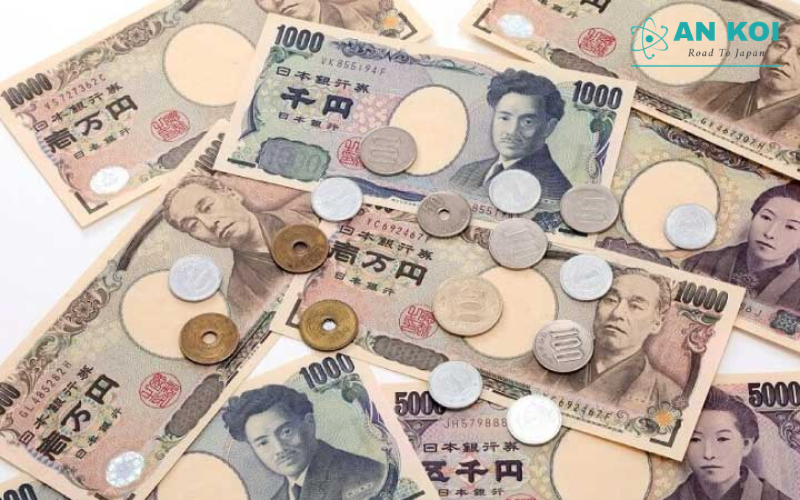
Rent – Costs When Renting a House in Japan
Rent is the largest expense in monthly living expenses in Japan. The rental price will depend on the area, room size, and type of housing you choose.
Some common forms include:
- School dormitory
- Private rental house
- Share house
Normally:
|
Area |
Monthly rent cost |
|
Tokyo |
40,000 – 80,000 yen |
|
Osaka |
30,000 – 60,000 yen |
|
Smaller provinces |
20,000 – 45,000 yen |
In addition to rent, tenants may also have to pay extra costs such as:
- Deposit
- Key money
- Management fee
- Guarantor fee
Therefore, when researching monthly living expenses in Japan, you should also calculate additional housing-related costs.
>> See more: Job application documents in Japan: Guide to writing a standard Japanese resume
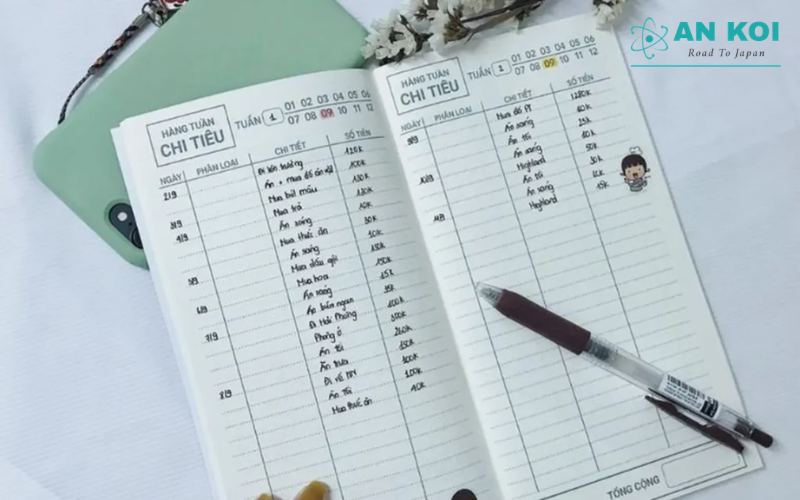
Food Expenses – Food and Living Costs in Japan
Food is also an important expense in monthly living expenses in Japan. If you often eat out, the cost will be quite high, especially in major cities.
On average:
- Cooking by yourself: 15,000 – 25,000 yen/month
- Eating out frequently: 30,000 – 50,000 yen/month
Many international students today often:
- Buy discounted food in the evening
- Cook by themselves to save money
- Use discount coupons at supermarkets
Managing food expenses well will help significantly reduce monthly living expenses in Japan, especially for new international students arriving in Japan.
>> See more: Osaka University of Economics: Requirements, tuition fees, and opportunities to study in Japan
Electricity, Water, and Gas Bills – Living Expenses of International Students in Japan
In addition to rent, international students also need to pay electricity, water, and gas bills every month. This is a fixed cost in monthly living expenses in Japan.
Average costs:
|
Expense |
Reference cost |
|
Electricity |
3,000 – 6,000 yen |
|
Water |
2,000 – 4,000 yen |
|
Gas |
2,000 – 5,000 yen |
In winter or summer, electricity costs may increase due to frequent use of heaters or air conditioners.
To save money, many international students often:
- Limit continuous use of air conditioning
- Turn off electrical devices when not in use
- Share costs with roommates
Phone Fees
Phone and internet fees are also costs that need to be included in monthly living expenses in Japan.
Common spending level:
- 2,000 – 6,000 yen/month
Currently, there are many low-cost mobile carriers for international students and foreigners. In addition, many people also use dormitory Wi-Fi to save internet costs.
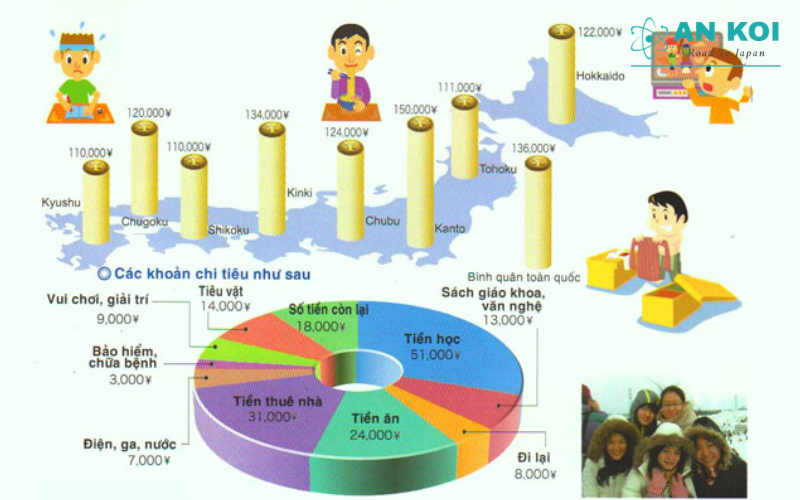
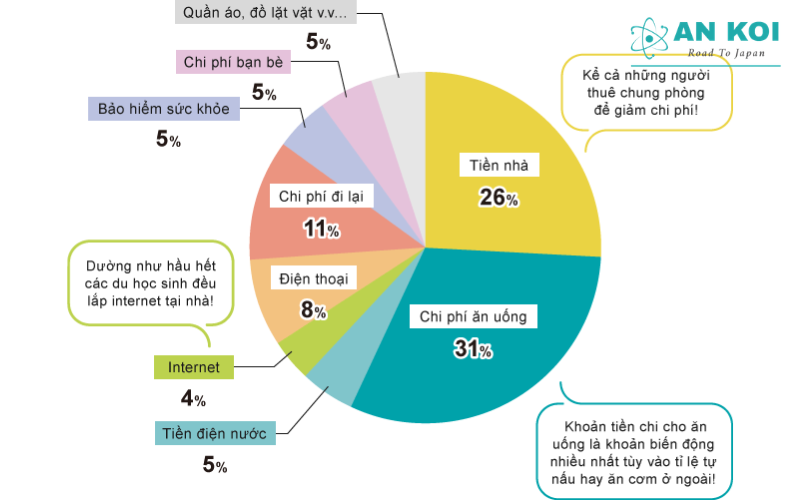 Total Monthly Living Expenses in Japan: How Much Is It?
Total monthly living expenses in Japan will vary depending on the area of residence and each person’s spending habits.
Reference average level:
|
Area |
Total monthly cost |
|
Tokyo |
80,000 – 150,000 yen |
|
Osaka |
70,000 – 120,000 yen |
|
Smaller provinces |
50,000 – 90,000 yen |
In addition, many people are also interested in the average monthly salary in Japan to balance expenses. Currently, the part-time income of international students usually ranges from about 900 – 1,300 yen/hour depending on the area and job.
With good financial management, international students can still balance studying and living in Japan.
Tips to Save Living Expenses in Japan
To reduce financial pressure, many international students often apply saving methods when living in Japan.
Some useful experiences:
- Prioritize living in dormitories or share houses
- Cook by yourself instead of eating out
- Buy discounted items at supermarkets
- Use a bicycle to save transportation costs
- Track and manage monthly spending
In addition, learning in advance about the standard of living in Japan and choosing a suitable area to live in also helps save a significant amount of expenses.
>> See more: Job application documents in Japan: Guide to writing the most standard Japanese resume
AnKoi – Accompanying Students on the Journey to Study in Japan
If you are learning about studying in Japan and want detailed support with documents, schools, as well as monthly living expenses in Japan, AnKoi is one of the units currently receiving attention from many students and parents in Khanh Hoa. With experience in supporting study abroad in Japan, AnKoi helps learners have a clear roadmap from the Japanese language learning stage until departure and stabilizing life in Japan.
One of the outstanding advantages of AnKoi is providing consultation support according to each learner’s actual needs. The consulting team will rely on academic ability, financial conditions, and career goals to propose suitable schools and programs. This helps students easily choose an area to live in that matches their financial ability as well as better balance monthly living expenses in Japan.
Outstanding support at AnKoi includes:
- Consulting on choosing suitable schools and majors
- Supporting Japanese language training before departure
- Guiding document preparation and financial proof
- Interview practice with schools and the Embassy
- Supporting COE and Japan student visa application
- Sharing practical experience about the standard of living in Japan
- Consulting on areas with living expenses in Tokyo or provinces suitable for the budget
- Accompanying and supporting students before and after going to Japan
In addition, AnKoi also regularly updates information about part-time jobs, scholarships, and the average monthly salary in Japan so that learners can be more proactive in financial preparation. With a clear support process and transparent costs, AnKoi is currently the choice of many students when they have a need to study in Japan.
Learning in advance about monthly living expenses in Japan will help international students and workers prepare their finances better before going to Japan to study or work. Although the standard of living in Japan is quite high, if you know how to manage spending reasonably, you can completely balance life and save effectively.
If you need further support about studying in Japan, a Japanese language study roadmap, or actual costs in Japan, you can refer to more information from AnKoi to receive more suitable consultation.
Latest Posts


Hashtags
Contact


