


08/08/2026
What do you need to prepare for a family visit visa extension in Japan, and how should you proceed to minimize mistakes? From eligibility requirements and documents for extending a family visit stay in Japan to the submission process and related costs, every step should be checked carefully, especially for short-term stays. The article below from AN KOI will help you understand the essential information so you can prepare your application proactively and follow the correct procedure.
What is a family visit visa extension in Japan?
A family visit visa extension in Japan is commonly understood as an application to extend the period of stay when a foreign national is already in Japan and wishes to remain beyond the period originally granted. This distinction is important because a visa mainly concerns entry into Japan, while the time a person is permitted to remain in the country is determined by their status of residence and the period of stay granted.
For a family visit visa extension in Japan, the person staying in Japan must demonstrate a reasonable basis for continuing to stay and meet the requirements of the immigration authorities. Under the applicable rules, an extension is approved only when the competent authority determines that there are appropriate grounds for allowing the person to remain.
Therefore, anyone seeking a family visit visa extension in Japan should not focus only on paperwork, but should also prepare a clear explanation of the reason, the expected extension period, and the actual circumstances of the visit.
A family visit visa extension in Japan is a procedure for extending the period of stay when you wish to remain in Japan beyond the period originally granted
When should you apply to extend your period of stay?
If you need a family visit visa extension in Japan, you should begin preparing as early as possible once you realize that your current period of stay is not sufficient for the purpose of visiting family. Do not wait until close to the expiration date to start researching the procedure, because some cases may require additional documents or further explanation.
The key point is that the granted period of stay is not automatically extended simply because family members in Japan still wish to spend more time together. Immigration authorities will review the reason and supporting documents before making a decision. Some situations that may require a clearer explanation include:
- A family member needs continued support for a specific period because of an unexpected family situation.
- The original visit could not be completed due to objective circumstances, with appropriate supporting documents available.
- A special situation creates a genuine obstacle to returning home within the originally permitted period.
>> See also:Renewing a residence card in Japan: Latest procedures and requirements for 2026 – AN KOI
Requirements for a family visit visa extension in Japan
To apply for a family visit visa extension in Japan, the applicant must meet requirements appropriate to their current stay status and actual circumstances. Short-term visitors in particular need clear grounds for continuing to stay in Japan. Before preparing the application documents, you should identify which requirements apply to your specific case.
A family visit visa extension in Japan requires a legitimate reason and circumstances that support the need to remain in Japan
A legitimate reason for continuing to stay
When applying for a family visit visa extension in Japan, the reason for the extension should be specific, reasonable, and consistent with the actual circumstances. For a short-term stay, simply wanting to remain in Japan longer to continue visiting relatives is generally not enough on its own to explain the need for an extension.
Your written explanation should clearly show:
- The expected period of continued stay and your plans during that period.
- The relationship between the applicant and the family member living in Japan.
- Why the original period of stay was not sufficient to complete the purpose of the visit.
When carrying out the procedure to extend a family visit stay in Japan, the information above should be consistent with the supporting documents and actual circumstances.
The guarantor and their residence status in Japan
In an application for a family visit visa extension in Japan, information about the family member or guarantor should be clearly presented if they are involved in supporting the continued stay. Details such as the relationship, address, occupation, and residence status should be consistent with the submitted documents.
A guarantor does not guarantee that an application will be approved. Their main role is to help clarify the relationship, the purpose of the family visit, and their ability to support the applicant during the stay. For a family visit extension in Japan, carefully check the validity and accuracy of documents provided by the guarantor. Inconsistencies between documents may lead to requests for additional explanation.
Financial capacity of the applicant and guarantor
Financial capacity is one factor considered in a family visit visa extension in Japan, but having enough money alone does not guarantee approval. The reviewing authority also considers whether the finances are reasonable in relation to the purpose and length of the continued stay.
If the family member in Japan will cover the expenses, the application should clearly identify the person responsible for the costs. If the applicant will pay their own expenses, suitable documents may be prepared to demonstrate financial capacity. In an application for extending a family visit stay in Japan, financial information should be truthful and consistent. Avoid submitting unrelated documents or materials that do not accurately reflect the actual financial situation.
The financial capacity of the applicant and guarantor is one of the factors considered by the reviewing authority
Documents for extending a family visit stay in Japan
For a family visit visa extension in Japan, preparing complete and accurate documents is important for a smoother review process. Depending on the circumstances, immigration authorities may request additional materials to clarify the purpose and reason for continuing to stay. Below are the main document groups to consider when preparing an application to extend a family visit stay in Japan.
Documents for a family visit visa extension in Japan should be prepared fully according to each required document group
1. Documents the applicant should prepare
When applying for a family visit visa extension in Japan, the applicant should prepare personal documents and materials related to their current stay status. Before submission, carefully check personal details, validity periods, and consistency across documents.
The basic document group includes:
- A valid passport, including pages containing personal information and relevant entry stamps.
- Application for extension of period of stay, completed fully and accurately using the current form.
- A passport-style photo in the required size and format if a photo is required for the case.
- A written explanation of the reason for continuing to stay and the plan during the requested extension period.
- Supporting documents proving the actual circumstances directly related to the reason for the extension.
- Other additional documents if requested by immigration authorities depending on the case.
When completing the procedure to extend a family visit stay in Japan, compare the name, date of birth, address, and period of stay across all documents to reduce errors.
2. Documents from the guarantor in Japan
If a family member in Japan acts as a guarantor or provides support during the stay, the application may require additional documents relating to that person. The exact documents depend on the relationship, residence status, and the guarantor’s support responsibilities.
Documents that may need to be prepared include:
- Residence card or other documents showing lawful residence status in Japan.
- The guarantor’s passport if requested.
- Certificate of residence (Juminhyo) to confirm residence information.
- Employment certificate or other documents proving current occupation.
- Proof of income, such as income or tax documents depending on the case.
- Proof of financial support capacity if the guarantor will cover living expenses.
For a family visit visa extension in Japan, avoid submitting large amounts of unrelated paperwork. Each document should serve a clear purpose in demonstrating the guarantor’s role and the necessity of the continued stay.
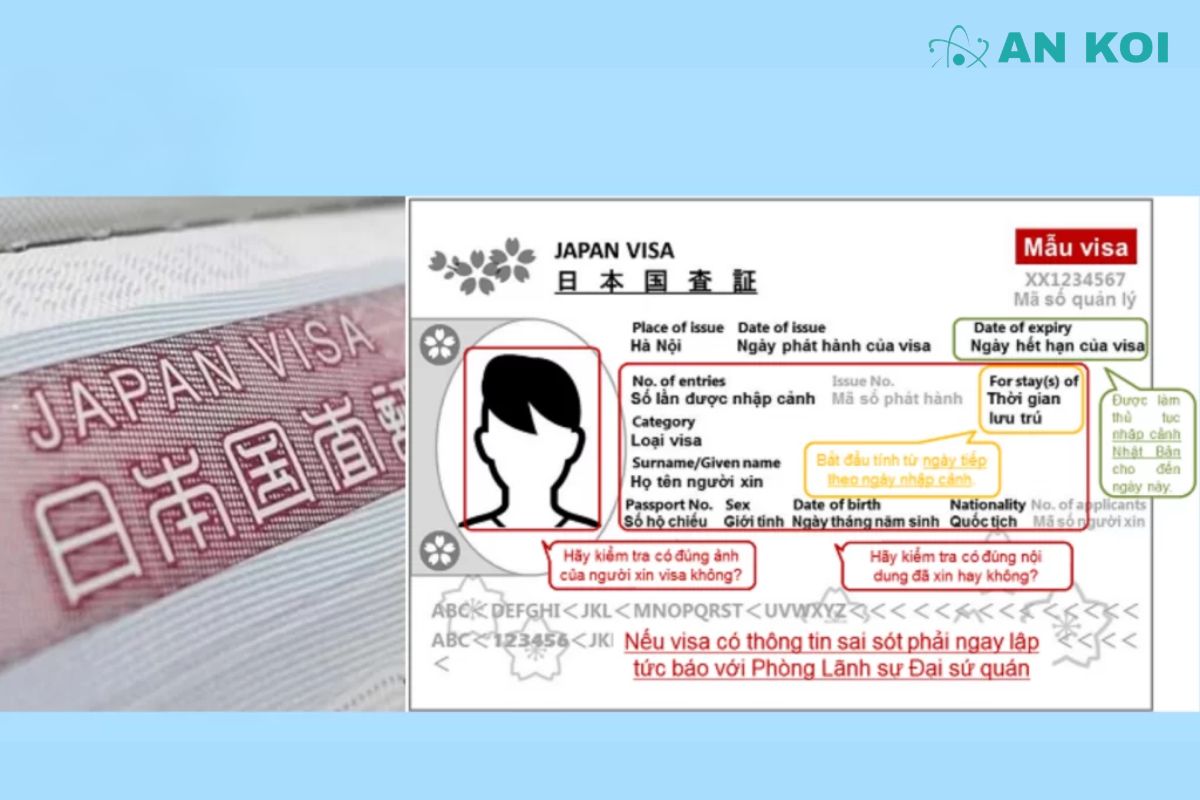
Documents from the guarantor in Japan may include a residence card, employment confirmation, and proof of income
3. Documents proving the relationship and purpose of the family visit
For a family visit visa extension in Japan, documents proving the relationship help clarify the connection between the applicant and the family member living in Japan. The required documents may vary depending on the relationship.
Documents commonly used to prove a relationship include:
- Birth certificate for proving a parent-child relationship.
- Marriage certificate for proving a spousal relationship.
- Civil status records or equivalent documents for other types of family relationships.
- Documents demonstrating the purpose of the family visit in a way that matches the actual circumstances.
- Documents related to the itinerary or stay plan if requested.
In an application for extending a family visit stay in Japan, information about the relationship and purpose of stay should be consistent with the application form and written explanation. If the documents contain different information, the applicant may be asked to provide further clarification.
4. Written explanation of the reason for continuing to stay
The written explanation is important for clarifying why the applicant wants a family visit visa extension in Japan, especially when the original period of stay no longer meets the actual circumstances. The explanation should be concise, focus directly on the reason, and include supporting documents where available.
A written explanation should include the following key information:
- The reason for continuing to stay and the circumstances that created the need for an extension.
- The requested extension period and the expected date of departure from Japan.
- The plan during the continued stay that remains consistent with the purpose of visiting family.
- The relationship with the family member in Japan and that person’s role during the stay.
- Supporting documents for the extension reason, where available, to provide a clear basis for the explanation.
When finalizing the procedure to extend a family visit stay in Japan, the written explanation should be consistent with the entire application. Do not introduce a new reason or information that differs from what is stated in the application form and related documents.
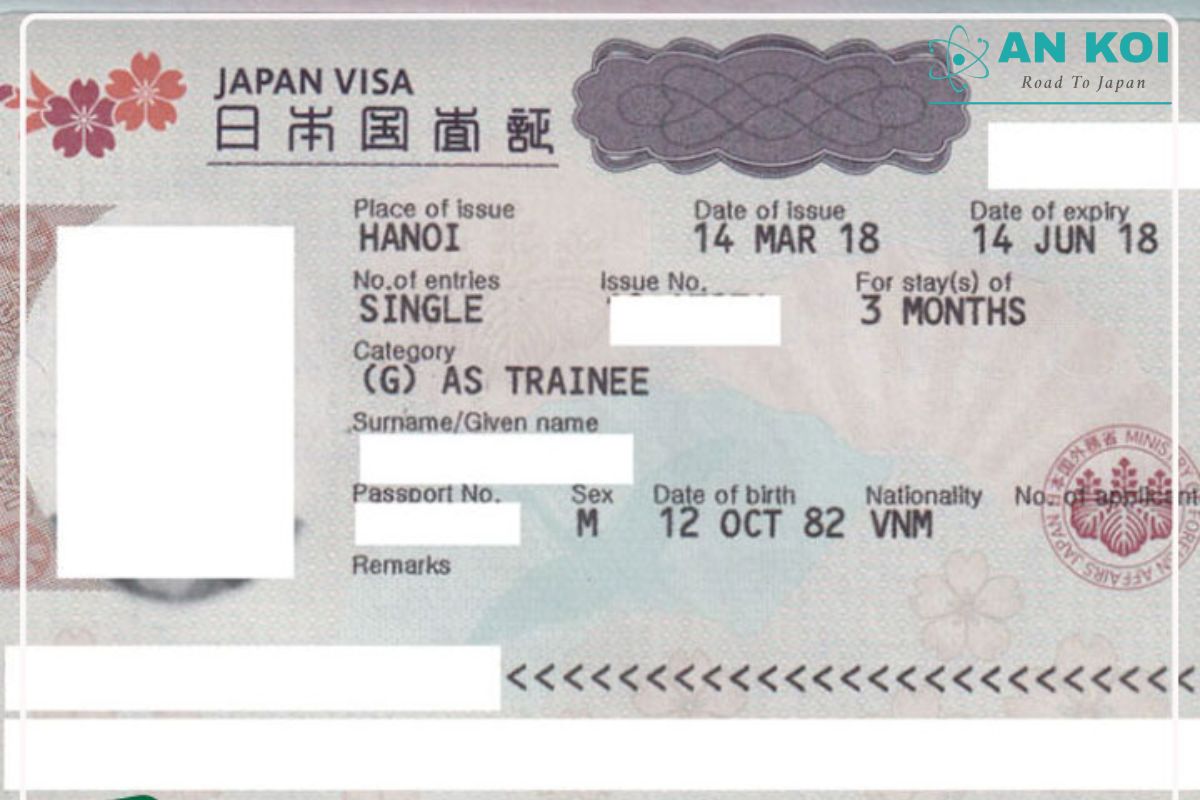
The written explanation for continuing to stay should clearly state the purpose and expected extension period
>> See also:What does the Japan visa extension procedure include? Detailed documents and process
Procedure for extending a family visit stay in Japan
To carry out the procedure for a family visit visa extension in Japan, the applicant should follow the correct sequence and identify the exact procedure that applies to their case. In particular, anyone staying in Japan under Temporary Visitor status should carefully check whether an extension may be considered before preparing the application. Below are the basic steps for making the process smoother.
Step 1: Identify the office that will receive the application
Before applying for a family visit visa extension in Japan, the applicant needs to identify the immigration office with jurisdiction over the application. This helps avoid preparing documents for the wrong procedure or going to the wrong office.
At this step, you should:
- Identify the Regional Immigration Services Bureau responsible for the area where you are currently staying in Japan.
- Check the address, office hours, and application submission method of the responsible office.
- Confirm whether your case is eligible to be considered for an extension, especially if you are currently on a short-term stay.
- Check in advance for any additional requirements if your case involves special circumstances.
For the procedure to extend a family visit stay in Japan, if you are unsure whether the requirements apply to your case, contact the immigration office directly for guidance before preparing the documents.
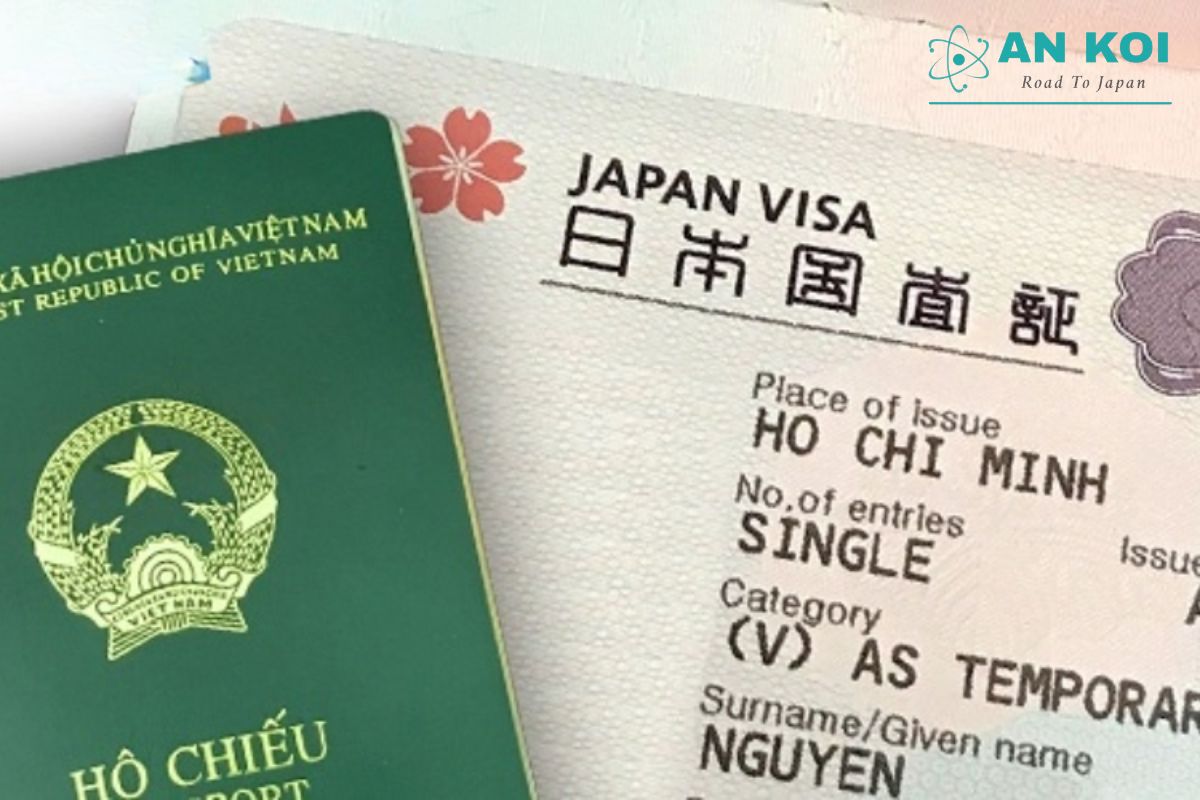
Identifying the correct Regional Immigration Services Bureau is the first step in the extension procedure
Step 2: Prepare all required documents
After confirming the correct procedure, the applicant for a family visit visa extension in Japan should prepare the required documents. The application should clearly show personal information, current stay status, and the reason for needing to remain in Japan.
The tasks at this step include:
- Complete the application for extension of period of stay using the correct form.
- Prepare your passport, photo, and documents relating to your stay status as required.
- Add documents proving your relationship with the family member in Japan.
- Prepare documents from the guarantor if a guarantor or supporter is involved.
- Write a statement explaining the reason for continuing to stay and prepare supporting evidence if available.
- Review all information to make sure names, dates, addresses, and periods of stay are consistent.
A family visit extension application should be organized by document group so that it is easy to check and less likely to be missing anything at submission.
Step 3: Submit the extension application
After completing the documents, the applicant submits the application to the immigration authority with jurisdiction. Before submission, review the entire application and confirm the current expiration date of the permitted stay.
When submitting the application, keep the following in mind:
- Bring the originals of important documents for verification if requested.
- Submit the application according to the instructions of the receiving officer.
- Check the information on any receipt, confirmation, or document issued after submission.
- Provide additional materials promptly if immigration authorities request further explanation.
Submitting all documents does not mean that an application will automatically be approved. The competent authority will still assess the reason and actual circumstances before making a decision.
Step 4: Monitor the application result
After submitting an application for a family visit visa extension in Japan, the applicant should monitor communications from immigration authorities and follow the instructions provided while waiting for the result. Processing time may vary depending on the case and the time of year.
While waiting, you should:
- Monitor notifications from the office handling the application.
- Submit additional documents within the required deadline if requested.
- Do not independently change the purpose or plan of stay without guidance.
- Carefully review any request for explanation or additional documents.
- Receive the result according to the method and timing specified by the receiving authority.
For a family visit visa extension in Japan, if additional documents are requested, responding fully and on time will help avoid interruptions in the review process.
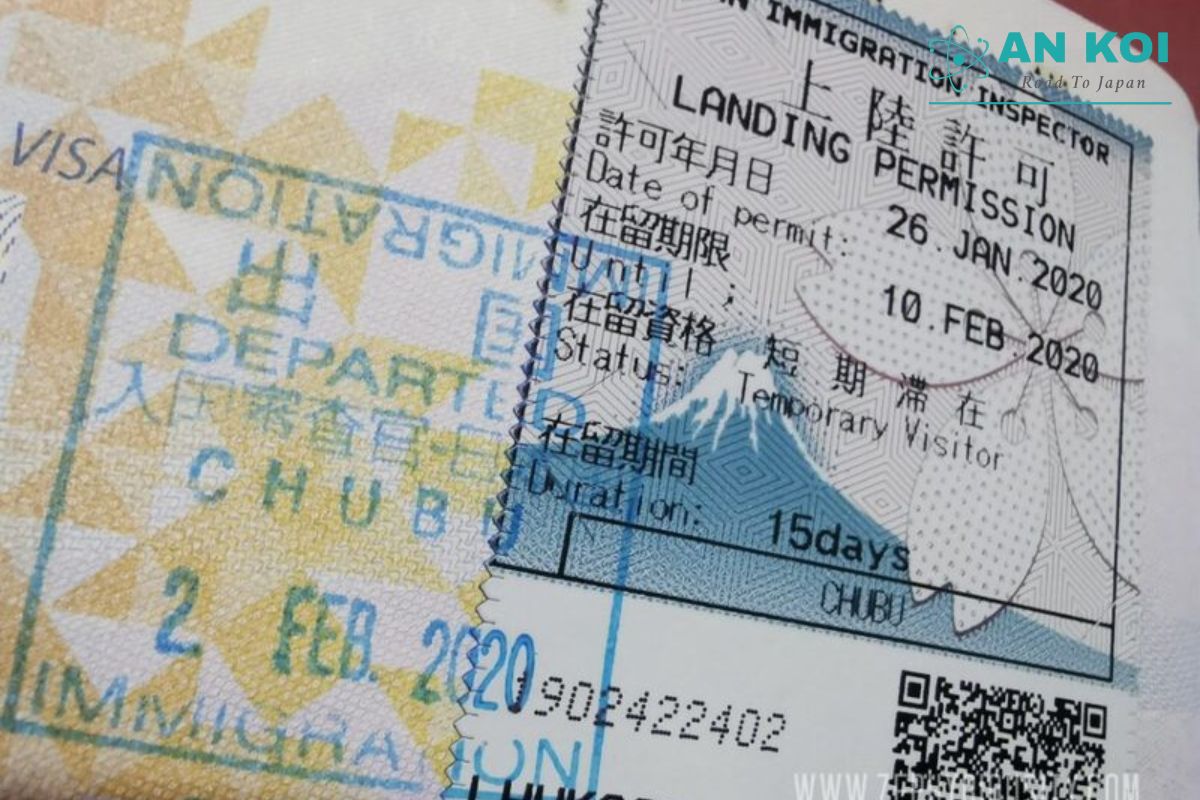
After submitting a family visit visa extension in Japan application, the applicant should continue monitoring the review result
>> See also:Do you need a visa to travel to Japan? A detailed 2026 guide
Costs for a family visit visa extension in Japan procedure
When applying for a family visit visa extension in Japan, the applicant must pay a fee after the application has been approved. According to the current fee schedule of Japan’s Immigration Services Agency, the fees for extending a period of stay are as follows:
|
Submission method |
Fee |
|
In-person submission at the immigration office |
¥6,000 |
|
Online submission |
¥5,500 |
The above fees apply to applications accepted from April 1, 2025. The applicant pays the fee only after the extension is approved, and payment is made using a Revenue Stamp in accordance with immigration office instructions. In addition to the official fee, the procedure may involve other costs such as translation, photocopying, or document support if an outside service is used. These are separate service costs and are not extension fees set by the immigration authorities.
Note: If this article is being prepared for 2026, it is better to state “current fee” rather than fixing the amount for later years, because Japan has previously adjusted immigration fees and introduced legal amendments relating to fee levels.
The cost of extending a period of stay in Japan ranges from ¥5,500 to ¥6,000 depending on the submission method
Common mistakes that may lead to rejection
When applying for a family visit visa extension in Japan, even a small mistake in the documents may create difficulties during review. Applicants should therefore carefully check the information, supporting documents, and reason for extension before submission to avoid the issues below:
Common mistakes to avoid include:
- Applying too close to the expiration date: Waiting until the period of stay is almost over before researching the procedure leaves little time for processing or submitting additional documents.
- An unconvincing explanation for the extension: The explanation is too general and lacks documents that allow the reviewing authority to verify the actual circumstances.
- Inconsistent information across documents: Financial details, family relationships, or periods of stay differ between the documents submitted.
- Confusing an extension with a new visa application: Failing to distinguish between the two procedures can result in following the wrong process and preparing inappropriate documents.
Most importantly, if you are in Japan on a short-term stay, remember that a family visit visa extension in Japan is not an automatic right. Japanese law allows an extension of the period of stay only where appropriate grounds exist; for a Temporary Visitor, the decision must be based on unavoidable special circumstances.

Inconsistent information across documents is one of the common reasons an application may be refused
A family visit visa extension in Japan is not always approved, particularly when the applicant is staying in Japan on a short-term basis. Correctly identifying the requirements, preparing complete application documents, and clearly explaining the reason for continuing to stay can help reduce avoidable mistakes. Before submission, carefully review the current requirements so the procedure can be handled more proactively and smoothly. Visa and residence rules in Japan may be updated over time. You can also follow AN KOI’s visa policy news section to keep up with new changes.
- AN KOI Study Abroad Consulting Center
- Website:https://ankoi.vn/
- Hotline: 0905 393 642
- Address: 35 To Hieu Street, Nha Trang Ward, Khanh Hoa Province
Latest Posts


Hashtags
Contact


