


17/07/2026
When preparing to study abroad, work, or settle in another country, many people confuse a visa, a Residence Permit, and a temporary residence card. Although all of these documents relate to entry and residence rights, they differ in terms of purpose, validity, and scope of use. Understanding What Is a Residence Permit will help you choose the correct documents, avoid staying beyond the permitted purpose, and prevent missing important renewal deadlines. aIn this article, ANKOI provides an overview of the concept. However, the actual regulations should always be verified according to the specific country and immigration category.
What is a Residence Permit?
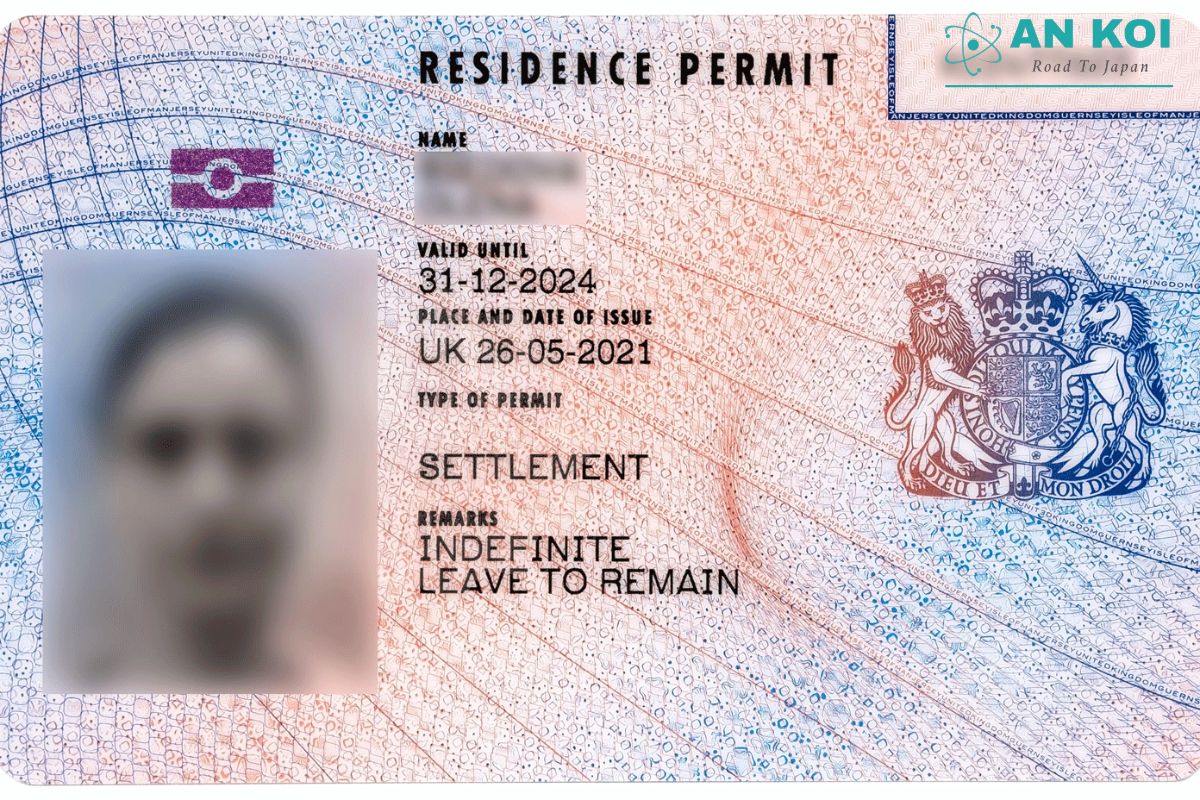
What is a Residence Permit? A Residence Permit is an official document issued by the competent authority that allows a foreign national to legally reside in a country for a specified period. It may be granted for purposes such as study, employment, investment, family reunification, or permanent settlement.
There is no single Residence Permit format used worldwide. The name, eligibility requirements, and associated rights vary depending on each country’s immigration laws. In many European countries, a Residence Permit is issued as a biometric card containing the holder’s photograph and fingerprints.
1. What is a Residence Permit?
In essence, What Is a Residence Permit refers to legal authorization confirming a foreign national’s right to reside in a country after meeting the conditions established by the host country. This permit is generally linked to a specific purpose, such as studying, working, conducting business, or family reunification.
A Residence Permit does not automatically grant every right. Holders should always check the information shown on the card or the approval decision to determine whether they are allowed to work, change employers, sponsor family members, or exercise other rights. Some countries issue permits that combine residence and work authorization, while others require a separate Work Permit.
2. Who needs to apply for a Residence Permit?
People who intend to stay in a foreign country longer than the period permitted under their visa or visa exemption policy generally need to understand What Is a Residence Permit and whether they are required to obtain one.
Common applicants include:
- International students enrolled in long-term academic programs.
- Foreign employees working under contracts with overseas companies.
- Investors or business owners establishing companies abroad.
- Spouses and children of individuals who are legally residing in the host country.
- Individuals changing to long-term or permanent residence status.
For example, in some European Union countries, foreign nationals who plan to remain for more than three months may be required to register their residence or apply for an appropriate Residence Permit.
3. Duration of residence permit
The validity period of a Residence Permit is not fixed. It depends on the country, the purpose of residence, and the validity of the underlying application.
For example:
- A Residence Permit for international students is generally linked to the duration of their academic program.
- A work-related Residence Permit may correspond to the length of an employment contract.
- A family reunification Residence Permit often depends on the immigration status of the sponsoring family member.
Residence Permit holders should distinguish between the validity of their immigration status and the expiration date printed on the physical card. In some countries, permanent residence status may remain valid indefinitely, while the physical card itself must still be renewed periodically. Therefore, it is important to check the expiration date and submit a renewal application well in advance.

What is a Residence Permit? What is the validity period of a residence permit?
Common types of residence permits
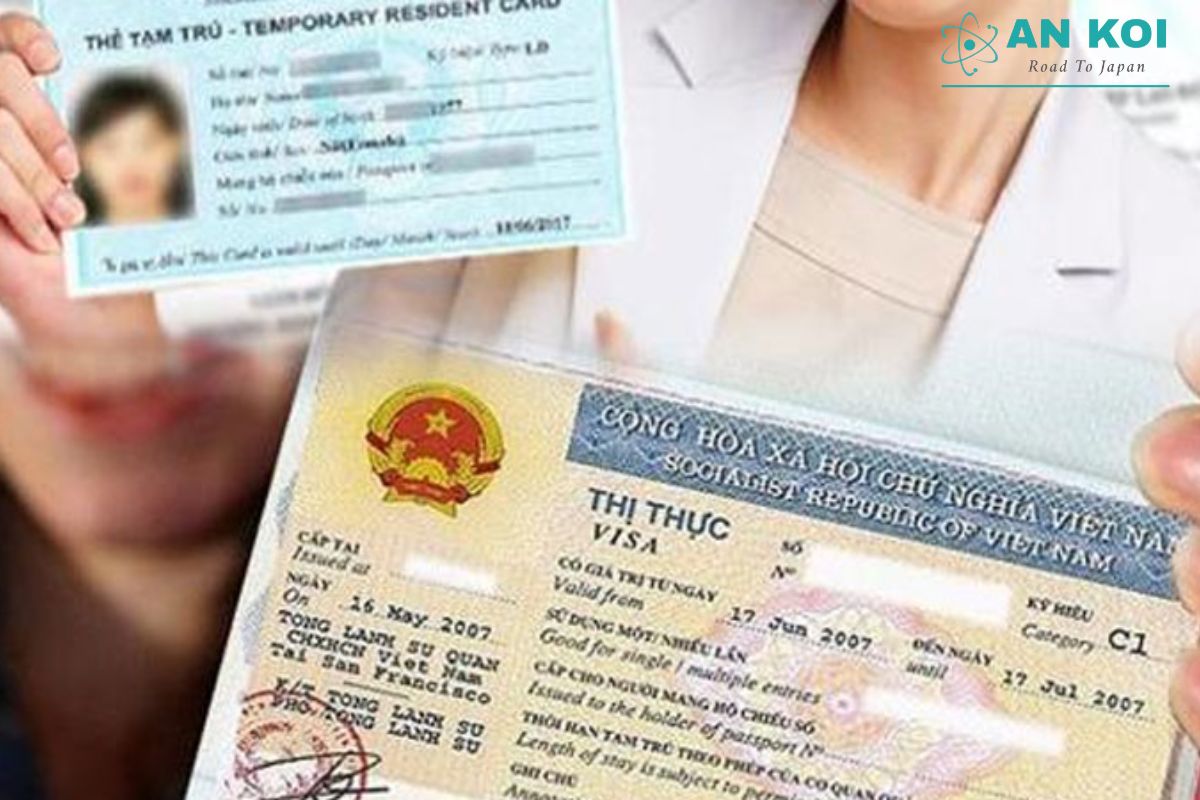
After understanding What Is a Residence Permit, the next step is identifying the type of permit that best matches your situation. Residence permits are commonly classified based on either the length of stay or the purpose of residence. The three main categories include short-term residence permits, long-term residence permits, and permits issued for specific purposes such as study, employment, investment, or family reunification.
The terminology can vary between countries. A document called a Temporary Residence Permit in one country may be equivalent to a Residence Card or Aufenthaltstitel in another. Therefore, you should not choose a document based solely on the translation of the name.
1. Short-term residence permit
A short-term Residence Permit is generally issued to individuals who need to remain in a country for a limited period that exceeds the duration permitted for ordinary tourism. Typical applicants include international students, interns, foreign employees working under fixed-term contracts, and participants in exchange programs.
This type of Residence Permit is usually tied directly to the approved purpose of residence. Once the academic program ends, the employment contract expires, or the sponsorship conditions change, the permit holder may be required to renew the permit, change to another residence status, or leave the country.
2. Long-term residence permit
After understanding What is a Residence Permit, you should also know that long-term residence permits are usually granted to individuals who have legally resided in the country for a sufficient period and meet additional conditions regarding income, insurance, language, or integration. The benefits of this type of permit are generally more stable than those of short-term residence permits.
Within the European Union, non-EU nationals who have legally and continuously resided in a member state for five years may qualify for long-term resident status if they satisfy the applicable legal requirements. This status may provide broader access to employment, education, and social welfare benefits.
3. Residence permit
Another common way to classify Residence Permits is according to the reason for residence. The most common categories include:
- Residence Permit for study.
- Residence Permit for employment.
- Residence Permit for investment or business.
- Residence Permit for family reunification.
- Residence Permit for research, internships, or exchange programs.
- Permanent Residence Permit.
Selecting the correct residence category is essential. For example, a student Residence Permit may only allow limited part-time employment, while a work Residence Permit often specifies the employer, job position, or employment conditions approved by the immigration authority.
Common types of residence permits
The difference between Visa and Residence Permit What is that?
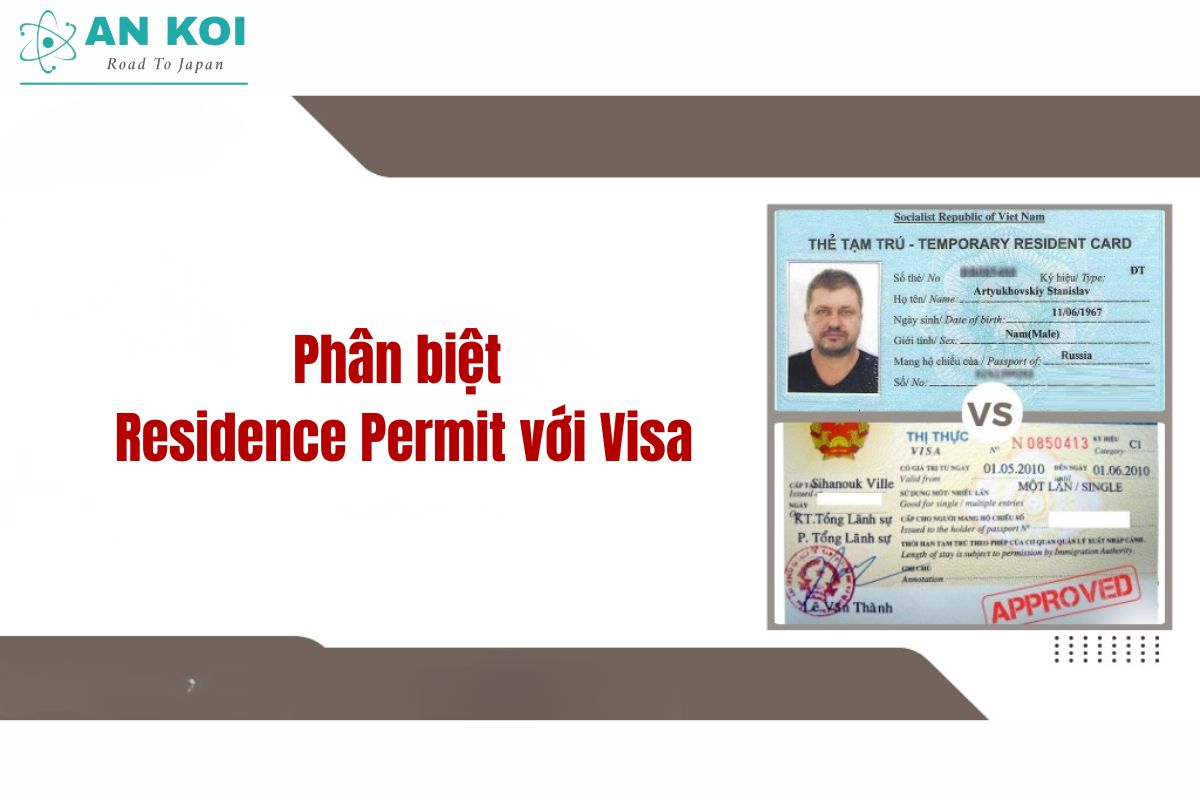
To understand clearly What is a Residence Permit?, you also need to distinguish between a residence permit and a visa. Although both relate to entry and stay, these two types of documents have completely different roles and legal values.Both visas and residence permits prove a person’s permission to be present in another country. While both relate to the right of entry and stay for foreigners, they differ in function, duration, and scope of rights.
|
Criteria |
Visa |
Residence Permit |
|
Legal function |
Allows foreigners to enter and stay for an initial period for the purpose for which they are granted. |
Confirmation of legal residency rights for a longer period in the host country. |
|
Time of use |
Usually requested before entry. |
Usually issued after entry or after completion of residency procedures. |
|
General purpose |
Tourism, business trips, visiting relatives, studying abroad, working, family reunion. |
Study, work, invest, family reunification, or long-term residency. |
|
Duration |
It can be short-term or long-term depending on the type of visa. |
Often associated with courses, employment contracts, or sponsorship programs. |
|
Right of residence |
Mainly allows stay within the visa’s validity period. |
Allows for legal residence and completion of certain residency procedures. |
|
Right to work |
Not all visas allow work. |
Depending on the type of license and the conditions stated on the card. |
|
Benefits included |
Usually more restrictive |
This may include studying, working, using services, or sponsoring relatives. |
|
Extend |
You may need to apply for a new visa or renew it, depending on the regulations. |
It is usually necessary to renew or change status before the expiration date. |
|
Substitutability |
A residence permit is not always a substitute for a residence permit. |
Passports, entry visas, and work permits are not substitutes for any other documents under any circumstances. |
For example, a student visa can help students enter a country for the first time. After arriving in the host country, students may need to register their address, provide biometric data, and obtain a Residence Permit to continue residing legally.
>> See more: How Long Does It Take to Get a Japanese Student Visa? Standard Roadmap for 2026
What is a Residence Permit? How does a Residence Permit differ from a Visa?
How is a Residence Permit different from a temporary residence permit?
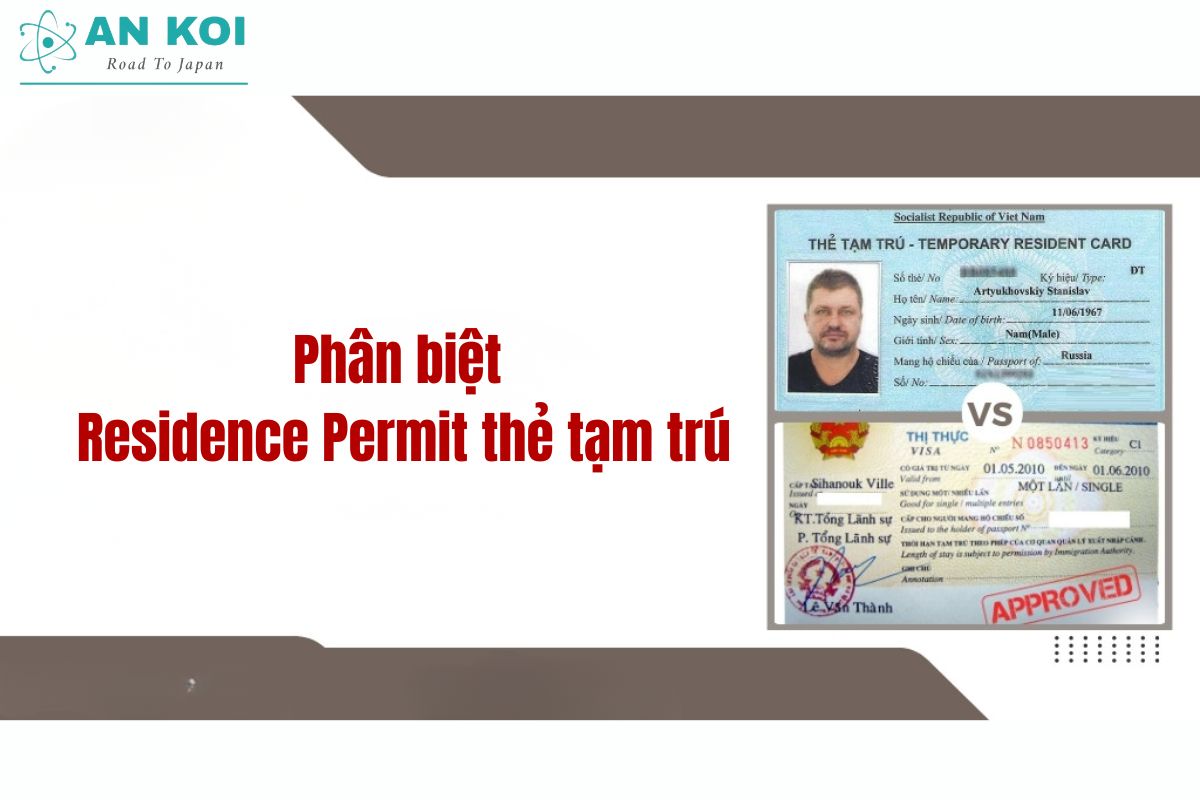
A Residence Permit and a temporary residence card are often used interchangeably, but they are not exactly the same. A Residence Permit is a broad international legal term referring to authorization that allows a foreign national to reside legally in a country. A temporary residence card, on the other hand, is a specific type of residence document issued under the immigration laws of a particular country. In many cases, a temporary residence card serves as one form of Residence Permit.
|
Criteria |
Residence Permit |
Temporary residence card |
|
Concept |
A general term referring to a residence permit for foreigners. |
A type of document confirming temporary residency rights. |
|
Scope of use |
This may include short-term, long-term, or permanent residency. |
Mainly applicable to temporary residence. |
|
Form |
This could be a certificate, residence card, or electronic permit. |
Usually issued as a card. |
|
Object |
International students, workers, investors, and those seeking family reunification. |
Investors, employees, relatives, or guarantors |
|
Issuing facility |
It depends on the immigration laws and policies of each country. |
Depending on the purpose of entry, visa type, and sponsoring entity. |
|
Duration |
Depending on the purpose of residence and the regulations of the host country. |
It has a specific expiration date and must be renewed when it expires. |
|
Interest |
This may include studying, working, residing, and sponsoring relatives. |
Support for stable residency and easier immigration and emigration. |
|
Right to work |
Depending on the type of Residence Permit |
It does not automatically replace a work permit. |
|
How to use |
The correct legal name as stated on official documents must be used. |
Commonly used in residency procedures in the country that issued the card. |
As shown in the comparison above, What Is a Residence Permit is not exactly the same as a temporary residence card. A Residence Permit is a general legal concept referring to residence authorization, whereas a temporary residence card is simply one form in which that authorization may be issued under a country’s laws. Therefore, when preparing documents for studying abroad, employment, or immigration, you should always verify the official legal terminology and requirements used by the country where you intend to reside.
What is a Residence Permit? How does a Residence Permit differ from a temporary residence permit?
What are the benefits and drawbacks of a Residence Permit?
When learning What Is a Residence Permit, it is important not only to understand how long it is valid but also to be aware of the rights and responsibilities that come with it. Depending on the type of Residence Permit and the regulations of the host country, it may provide a variety of benefits related to studying, working, and daily life. At the same time, permit holders are expected to comply with immigration requirements in order to avoid affecting future renewals or new applications.
1. Benefits of Residence Permit
Depending on the laws of the country where it is issued, a Residence Permit may provide the following benefits:
- A Residence Permit allows legal residence for the period stated on the permit and enables the holder to complete administrative procedures such as address registration, renting accommodation, or opening a bank account.
- It supports international students by allowing them to study at their registered educational institution or academic program.
- Depending on the permit category and the authorization granted by the competent authority, it may allow employment or business activities.
- It may permit multiple entries, allowing the holder to leave and re-enter the issuing country without applying for a new visa each time, provided that all legal requirements are met.
What are the benefits and drawbacks of a Residence Permit?
2. Important limitations
Along with these benefits, Residence Permit holders are also required to comply with several important obligations:
- Do not work outside the scope permitted by your Residence Permit.
- Ensure that both your Residence Permit and passport remain valid.
- Do not remain outside the country of residence longer than the period permitted by immigration regulations.
- Report changes of address, educational institution, or employer when required by law.
- Maintain health insurance, financial resources, or other residence conditions if required by local regulations.
- Do not use your Residence Permit for purposes other than those approved in your application.
Note: The rights and limitations associated with a Residence Permit vary from country to country. Before renewing your permit, changing your residence status, or modifying your purpose of stay, you should always consult the latest regulations issued by the immigration authority of the country where you reside.
What is the process for applying for a Residence Permit?
After understanding What Is a Residence Permit, the next step is learning how to apply for one. While the application process varies from country to country, it generally follows the same sequence: determining the appropriate residence category, preparing the required documents, submitting the application, and renewing the permit before it expires.
Step 1: Determine the correct type of Residence Permit
To apply for the correct Residence Permit, you must first understand What Is a Residence Permit and select the category that matches your intended purpose of residence.
- Identify your purpose of stay, such as studying, working, investing, family reunification, or long-term residence.
- Review the eligibility requirements for the relevant type of Residence Permit.
- Check whether the permit includes work authorization or whether a separate Work Permit is required.
- Avoid applying under the wrong residence category, as this may result in your application being rejected or additional documents being requested.
Step 2: Prepare the documents for your Residence Permit application.
Once you understand What Is a Residence Permit and have identified the appropriate permit type, you should prepare all required documents according to the immigration authority’s requirements.
A standard application package generally includes:
- A valid passport.
- A completed Residence Permit application form.
- Passport-sized photographs and biometric information.
- Documents proving the purpose of residence.
- Proof of financial resources and accommodation.
- Health insurance.
- Educational records, employment documents, or sponsorship documents, depending on the residence category.
- A criminal record certificate, if required.
Step 3: Submit your application and wait for approval.
After preparing all required documents, submit your Residence Permit application according to the procedures established by the relevant authority.
Typical steps include:
- Submit the application to the embassy, consulate, or immigration office responsible for processing Residence Permit applications.
- Complete fingerprint collection, photograph submission, or an interview if requested.
- Monitor the application status during the review process.
- Keep your application receipt until your Residence Permit is issued.
Step 4: Renew your Residence Permit on time.
Once you understand What Is a Residence Permit, you should also pay close attention to its expiration date and complete the renewal process on time.
To renew your Residence Permit, you should:
- Check the expiration date of your Residence Permit.
- Prepare your renewal application several weeks or even months before the permit expires.
- Provide evidence that your purpose of residence remains valid.
- Update your application if your school, employer, or sponsor has changed.
- Follow the latest instructions issued by the immigration authority of your host country.
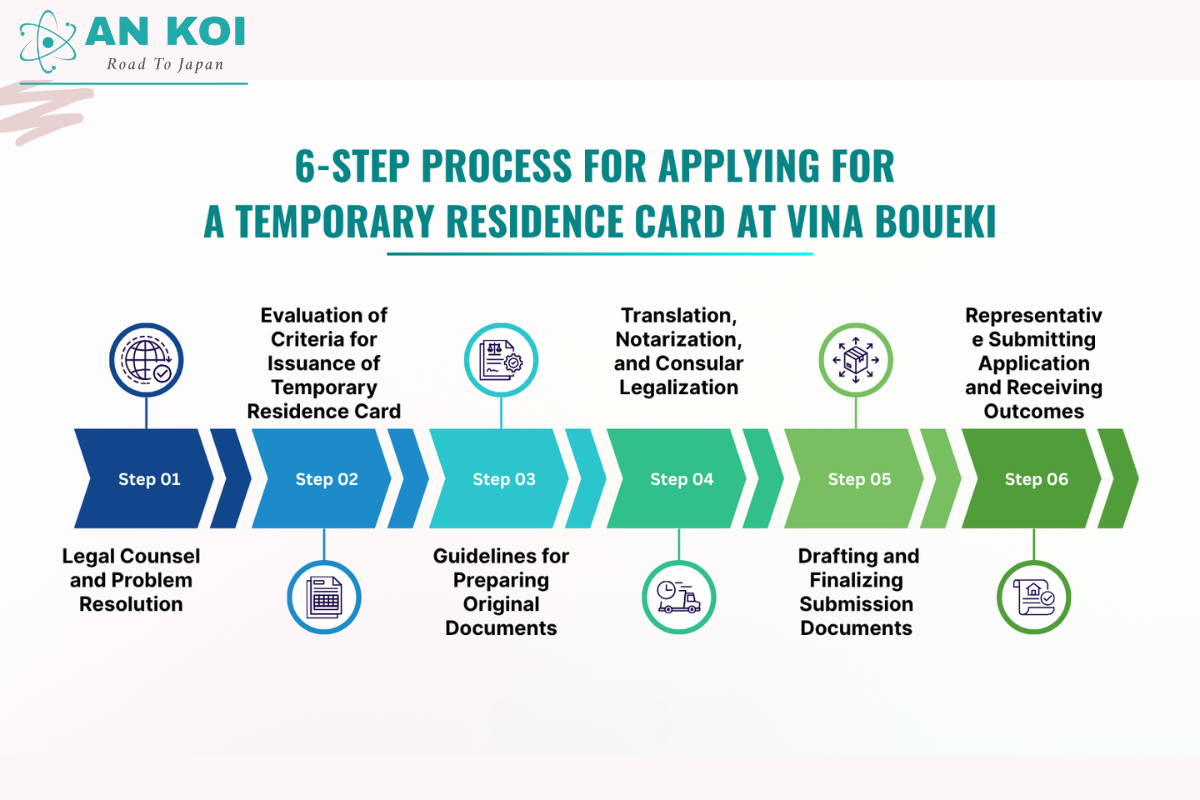
What is the process for applying for a Residence Permit?
We hope this article has helped you understand what is a Residence Permit, how it differs from a visa and a temporary residence card, as well as the procedures for obtaining and renewing one. Having a clear understanding of the relevant regulations will help you prepare the correct documents, choose the appropriate residence category, and minimize potential risks when studying, working, or settling abroad. If you are planning to move to Japan and would like to learn more about visas, Residence Permits, or other immigration procedures, follow ANKOI’s Knowledge Center for the latest and most accurate information.
Latest Posts


Hashtags
Contact


