


13/06/2026
In their daily lives, Japanese people often apologize more often than we might think.nThey only apologize when they make a mistake; they also apologize when they bother, ask for favors, make others wait, or cause even the slightest inconvenience. Therefore,Japanese culture of apologizing is considered an important characteristic in communication, reflecting politeness, a sense of responsibility, and how the Japanese maintain harmony in society.
For those of you who are learning Japanese, preparing to study in Japan, or planning to work in a Japanese environment, understanding this correctly is crucial. Japanese culture of apologizing, it will help you communicate more subtly.thanks,This will help avoid misunderstandings and make it easier to integrate into life in Japan.
The meaning of Japanese culture of apologizing
When researching Japanese culture of apologizing, the most important thing is to understand the meaning of an apology. Apologies in Japanese are not only used to correct mistakes, but also to express one’s attitude and behavior within the community.
First and foremost, an apology shows respect for the other person. When an action might upset, waste someone’s time, or cause inconvenience, the Japanese often apologize to show that they do not take the other person’s feelings lightly.
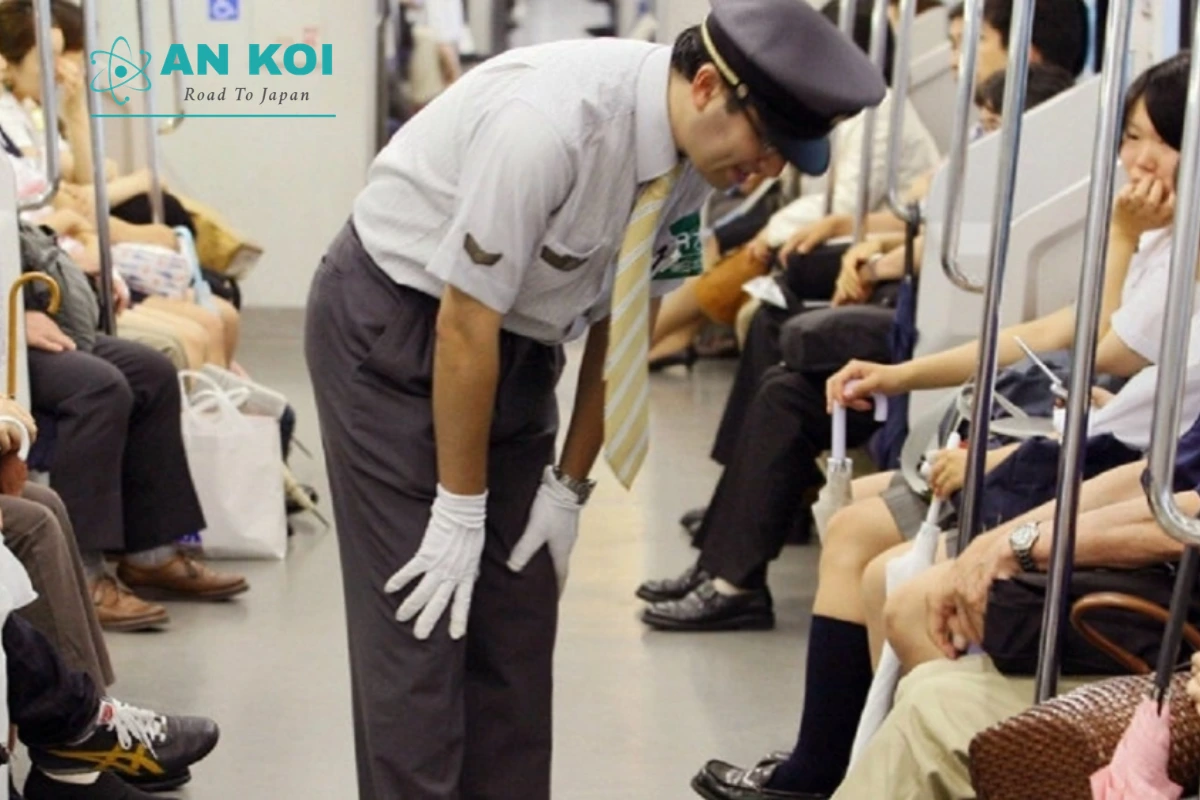
The meaning of apologies in Japanese apology culture.
Furthermore, an apology demonstrates humility. Japanese people often avoid heated arguments or blaming each other from the outset. Instead, they choose to apologize first to ease the tension in the conversation. This is a valuable lesson in communication, especially for those preparing to study or work in Japan.
Another meaning of apologizing is demonstrating a willingness to improve. In schools and workplaces, people who know how to apologize appropriately are often seen as responsible, attentive listeners, and willing to correct their mistakes. Therefore, if you are an international student, intern, or employee in Japan, understanding the Japanese culture of apologizing can help you build stronger relationships with teachers, friends, colleagues, and supervisors.
In Japanese culture, in particular, apologies are sometimes accompanied by thanks. When someone helps them, Japanese people may both thank them for the assistance and apologize for inconveniencing them or taking up their time. This is a very subtle way of behaving, showing gratitude and a desire not to inconvenience others.
>> See more: Japanese food culture: 8 principles for healthy living.
Common ways of apologizing in Japanese apology culture.
To better understand the Japanese culture of apologizing, Japanese language learners should become familiar with the most commonly used apology expressions. Each phrase is appropriate for different situations, levels of seriousness, and relationships.
Sumimasen – The most common apology in everyday life.
“Sumimasen” is one of the most frequently used apology expressions in Japanese. It can be used when you want to apologize for causing a minor inconvenience, ask for someone’s help, get someone’s attention, or acknowledge a small mistake.
For example, if you need to make your way through a crowd, call a restaurant staff member, or accidentally bump into someone, saying “sumimasen” is perfectly appropriate. In many situations, the word also carries the meaning of “excuse me,”“sorry for the trouble,” or even “thank you for your help.”
In the Japanese culture of apologizing, “sumimasen” is more than just an apology – it is a basic expression of politeness and consideration in everyday communication.
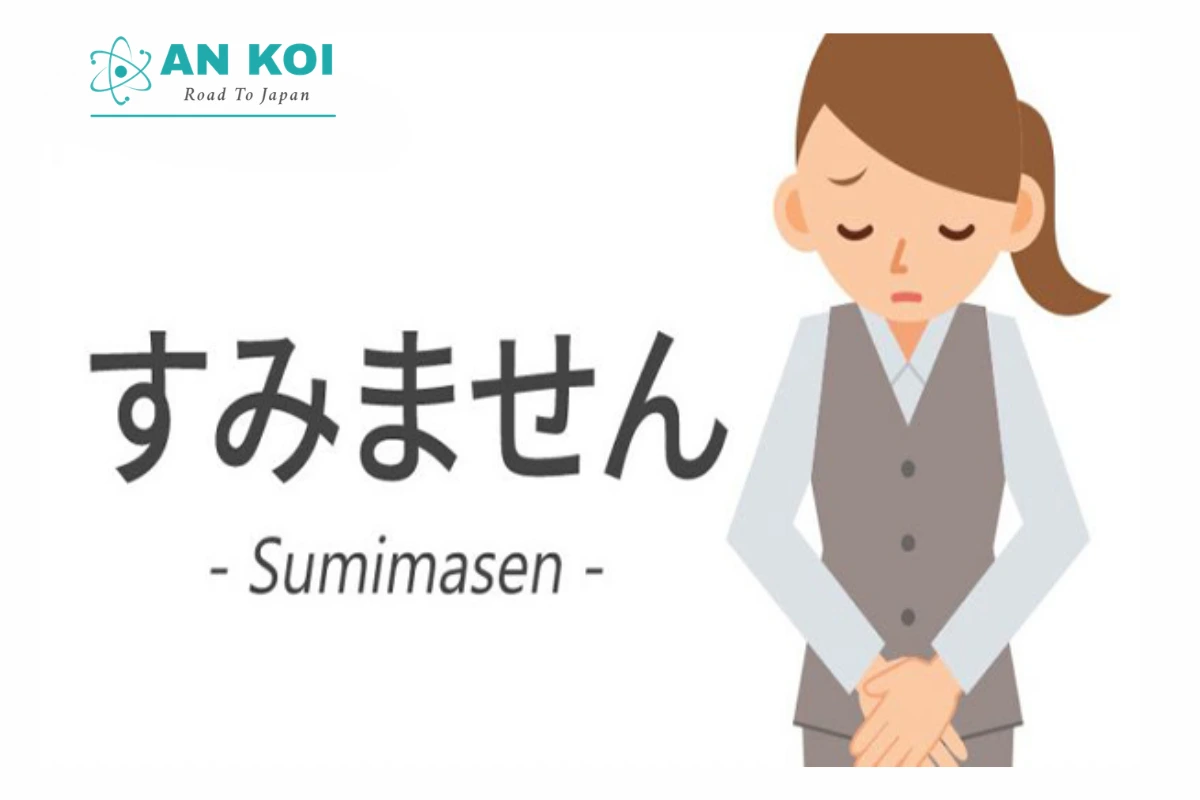
Common ways of apologizing in Japanese apology culture.
Sumimasen deshita – I’m sorry for something that happened.
“Sumimasen deshita” is commonly used when apologizing for a mistake or inconvenience that occurred in the past. Compared to “sumimasen,” this expression sounds more formal and is often appropriate in academic settings, part-time jobs, or when speaking with people you are not particularly close to.
For example, if you arrive late to class or make a minor mistake at work, saying “sumimasen deshita” shows that you acknowledge what happened and sincerely regret your actions. It conveys a more serious and responsible attitude than a casual apology.
Shitsurei shimashita – I apologize for my inappropriate behavior.
“Shitsurei shimashita” is typically used when you feel that you have acted in a way that was impolite, inappropriate, or lacking proper etiquette. Common situations include interrupting someone while they are speaking, entering a room at an inconvenient time, leaving a meeting abruptly, or doing something that may be considered improper in a formal setting.
This expression is especially important in Japanese workplaces, where etiquette and professionalism are highly valued. If you plan to study or work in Japan, understanding when and how to use “shitsurei shimashita” can help you communicate more respectfully and make a positive impression in professional environments.

Common ways of apologizing in Japanese apology culture.
Gomen/Gomenasai – Casual apologies for close relationships
“Gomen” and “gomenasai” are commonly used when apologizing to friends, family members, or people with whom you have a close relationship. While “gomen” sounds more casual and friendly, “gomenasai” is slightly more polite and appropriate in situations that require a bit more formality.
However, in the Japanese culture of apologizing, you should avoid using “gomen” when speaking to teachers, supervisors, customers, or people you have just met. Using an overly casual apology in formal situations may come across as disrespectful or lacking sincerity.
Moushiwake arimasen – A solemn and heartfelt apology
“Moushiwake arimasen” is a highly formal apology often used when the mistake is more serious or when speaking in professional settings. This expression conveys deep regret and is commonly used when apologizing to supervisors, customers, teachers, or anyone in a higher position.
In Japanese companies, a formal apology may represent not only personal responsibility but also the accountability of an entire team or organization. This reflects an important aspect of the Japanese culture of apologizing, particularly in customer service and corporate environments.
Common apology situations in Japanese culture
Understanding the expressions is one thing, but knowing when and how to use them in real-life situations is even more important. Below are some common situations in which international students, interns, and people preparing to move to Japan may need to apologize.
When arriving late for class, an appointment, or a shift.
Being late is generally considered a situation that requires a sincere apology in Japan. Whether the delay is caused by a late train, a scheduling mistake, or an unexpected circumstance, it is customary to apologize first, then briefly explain the reason and show your intention to be more careful in the future.
For example, if you arrive late to class, a slight bow accompanied by an apology to the teacher is considered appropriate. In a part-time work environment, apologizing properly is even more important, as punctuality and a strong sense of responsibility are highly valued in Japanese society.
In this situation, the Japanese culture of apologizing places greater emphasis on acknowledging your mistake than on making lengthy explanations. Avoid immediately blaming external circumstances; instead, show accountability first and provide a brief explanation afterward.
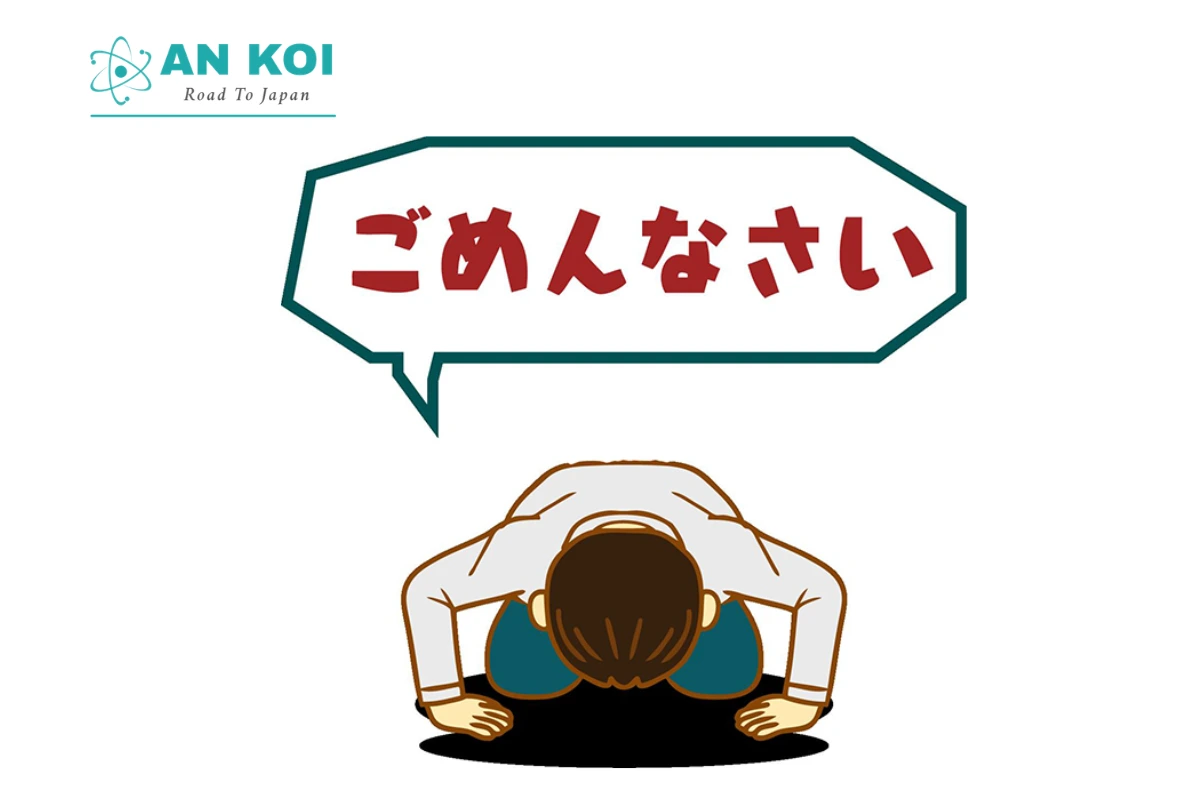
Common situations involving apologies in Japanese culture.
When disturbing others in a public space.
In Japan, public spaces are generally expected to remain orderly, quiet, and respectful of others. Whenever you accidentally bump into someone, need to pass through a crowded area, ask for directions, or request assistance, offering an apology is often the natural first step.
For example, before asking for directions, many Japanese people will say “sumimasen” to acknowledge that they may be interrupting or inconveniencing the other person. This is one of the most common situations that reflects the Japanese culture of apologizing.
>> Related reading:Can you get a tattoo while studying in japan? 7 things international students should know
When you make a mistake at your part-time job.
If you work part-time in Japan, there will inevitably be occasions when mistakes happen – such as processing the wrong order, forgetting to submit a report, arriving late, or misunderstanding instructions. In these situations, it is important to apologize promptly, take responsibility, and explain how you plan to correct the issue.
Rather than responding with phrases like “I didn’t know” or “It wasn’t my fault,” it is generally better to acknowledge the inconvenience caused and show that you understand the impact of the mistake. Afterward, you can ask for guidance on the correct procedure to avoid making the same error again.
This is an especially valuable skill for Vietnamese international students and interns in Japan. Applying the Japanese culture of apologizing in the workplace can help you build a reputation as someone who is responsible, professional, and willing to learn, making it easier to earn the trust and support of colleagues and supervisors.
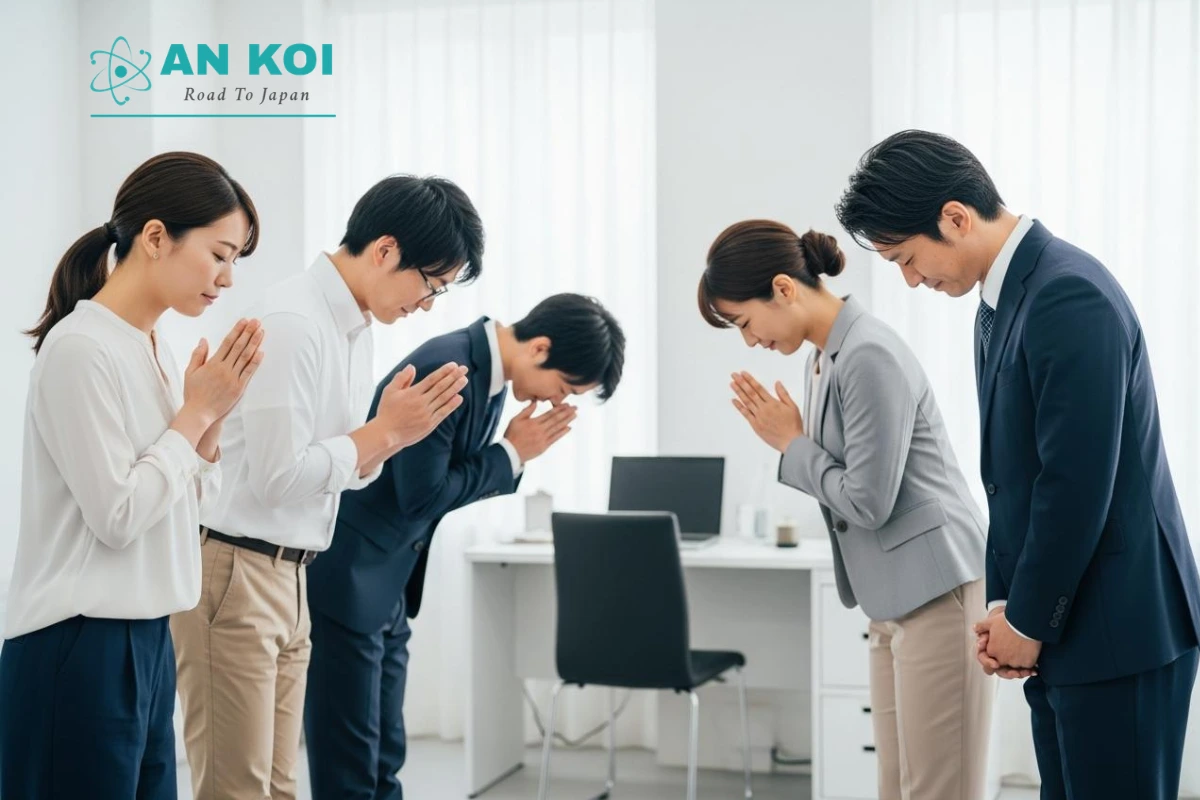
Common situations involving apologies in Japanese culture.
When receiving help from others
One interesting aspect of the Japanese culture of apologizing is that Japanese people may apologize even when someone is helping them. This habit comes from the feeling that they may have caused inconvenience or taken up another person’s time and effort.
For example, if someone helps you carry your belongings, gives you directions, or assists you in solving a problem, you may hear a light apology in addition to a thank-you. Expressions such as “sumimasen” are often used in these situations to convey both gratitude and consideration.
This subtle combination of apology and appreciation reflects an important communication style in Japan. By acknowledging the effort someone has made on your behalf, you show respect and thoughtfulness, helping the other person feel valued and appreciated.

Common situations involving apologies in Japanese culture.
When a business or organization causes inconvenience to customers.
The Japanese culture of apologizing is not limited to personal communication. It is also reflected in how companies, stores, schools, and organizations interact with customers. When a service is delayed, a product has an issue, or customers have to wait, an apology is usually offered quickly.
This shows how much Japanese people value the customer experience. A timely apology can reduce frustration and demonstrate the organization’s sense of responsibility toward its customers.
What can Vietnamese students studying abroad learn from the Japanese culture of apologizing?
For Vietnamese students, learning Japanese is not just about mastering the alphabet, vocabulary, or grammar. To adapt successfully to life in Japan, it is also important to understand how Japanese people think and interact with others. One of the most valuable aspects to learn is the Japanese culture of apologizing.
The first lesson is knowing when to apologize. When you make a mistake, inconvenience someone, or cause trouble for others, a sincere apology can help create a positive impression. Japanese people highly value humility and a willingness to acknowledge mistakes, especially when foreigners are making an effort to adapt to Japanese culture.
The second lesson is that an apology should never be superficial. In Japanese culture, apologizing should be accompanied by the right attitude. If someone apologizes but then jokes about the situation, makes excuses, or takes no action to correct the mistake, the apology may lose its meaning.
The third lesson is choosing the appropriate apology for each relationship. Casual expressions may be suitable when speaking with friends, while more polite language is expected when talking to teachers, employers, customers, or older people. More serious situations also require a more formal apology.
By understanding the Japanese culture of apologizing, Vietnamese students can avoid unnecessary misunderstandings, communicate more effectively, and build stronger relationships while studying and living in Japan.

What can Vietnamese students studying abroad learn from the Japanese culture of apologizing?
At An Koi, students are not only guided through the study abroad application process but also equipped with Japanese language skills, communication etiquette, Japanese language training, and practical cultural knowledge. This preparation helps them adapt more smoothly to studying and working in Japan. If you are planning to study in Japan and are looking for study abroad consultation tailored to your goals, An Koi is ready to support you from the very first step.
Latest Posts


Hashtags
Contact


