


19/07/2026
Receiving a Visa rejection notice can be a disappointing and stressful experience that no one hopes to face. However, receiving a Visa rejection notice does not mean your opportunity to study, work, or travel abroad has come to an end. Understanding the refusal codes and reasons stated in your Visa rejection notice is the key to preparing a stronger application for your next attempt. In this guide, AN KOI’s experts will help you accurately identify the reasons behind a Visa rejection notice while sharing practical solutions to address each issue and maximize your chances of visa approval the next time you apply.
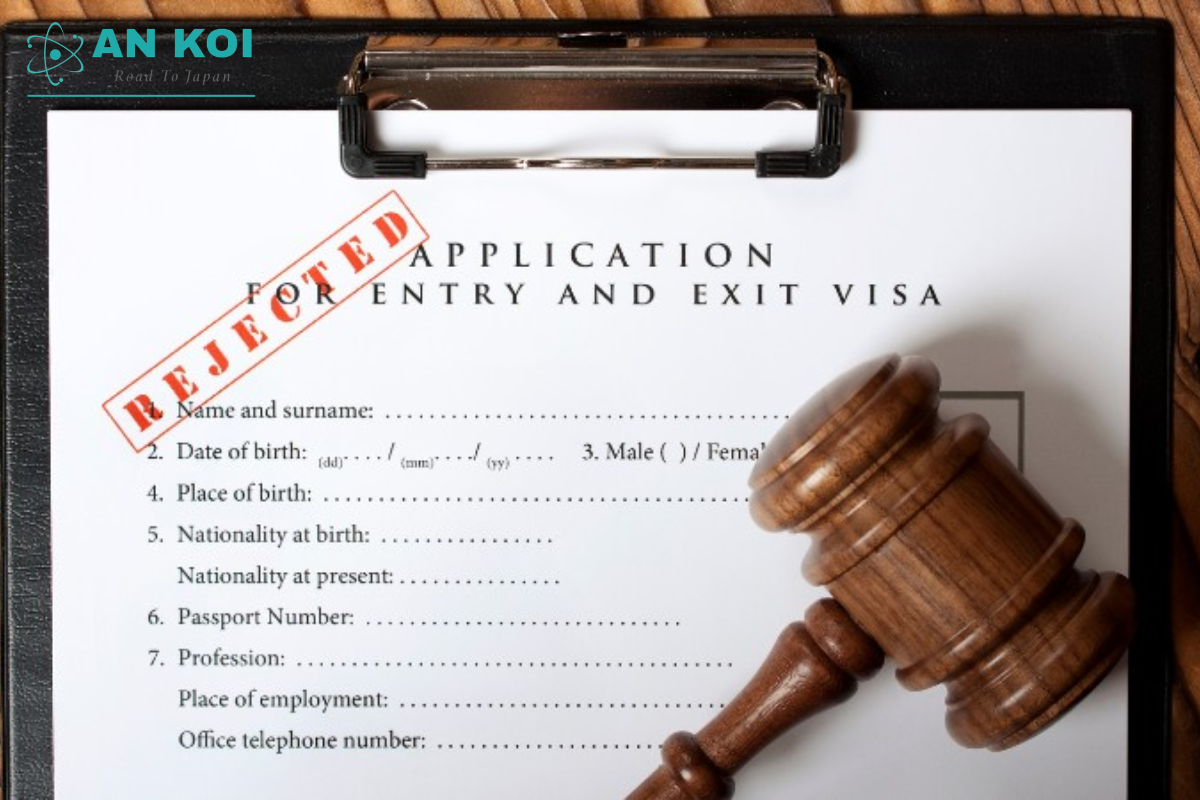
What is a visa refusal? What is a visa rejection notice?
A visa refusal occurs when your visa application is not approved by an Embassy or Consulate after the review process. In such cases, the reviewing authority will issue a decision refusing your visa application and, in many instances, provide a Visa rejection notice or an official document explaining the reason for the refusal. Receiving a Visa rejection notice does not mean you are permanently ineligible to apply for a visa in the future. It simply indicates that your current application does not meet the required eligibility criteria.
A Visa rejection notice is an official document or notification issued by an Embassy or Consulate after a visa application has been denied. Depending on the country, the notice may clearly state the refusal code, explain the reason for the rejection, or simply notify you that your application was unsuccessful. A Visa rejection notice serves as an important reference that helps you identify exactly why your application was denied, allowing you to correct the issues and improve your approval chances when submitting a new application.
A typical Visa rejection notice usually includes the following information:
- Applicant’s full name and passport number
- Date of the visa application review
- Visa refusal decision
- Refusal code or reason for rejection (if provided)
- Instructions for reapplying or filing an appeal in accordance with the regulations of the issuing country
Common reasons why your visa might be denied
1. The visa application is incomplete or lacks transparency.
Your application documents are the first thing reviewed by the Embassy or Consulate during the visa assessment process. Missing documents, inaccurate information, or invalid supporting materials may result in your application being considered incomplete and lead to a Visa rejection notice.
Common mistakes include:
- Missing essential documents: Such as your passport, invitation letter, employment verification, or other documents required for your specific visa category.
- Inconsistent personal information: Your name, date of birth, passport number, or other personal details do not match across different documents.
- Submitting forged or altered documents: Providing false information or fraudulent documents may result in a Visa rejection notice and could negatively affect future visa applications.
2. Proof of financial resources is insufficient.
Financial documentation allows the visa officer to evaluate whether you have sufficient financial resources and a transparent source of income to support your trip. If you fail to demonstrate adequate financial capacity or your financial records appear suspicious, you are more likely to receive a Visa rejection notice.
Common financial issues include:
- Insufficient account balance or unusual banking activity: Large or irregular transactions made shortly before submitting your application.
- Unclear source of funds: Failure to prove income from employment, business activities, investments, or other legitimate sources.
- Financial sponsor does not meet the requirements: Inability to demonstrate the relationship with your sponsor or provide sufficient evidence of the sponsor’s financial capability.

Common reasons why your visa might be denied
>> See more: Job application in Japan: A guide to writing the best Japanese resume.
3. The study plan is unclear.
For student visa applications, a study plan is one of the most important factors the Embassy or Consulate uses to evaluate your seriousness and academic goals. However, many applications are denied, resulting in a Visa rejection notice, because the study plan is unclear, unrealistic, or lacks consistency. If you receive a Visa rejection notice for a student visa application, whether you can successfully reapply largely depends on how well you revise and explain your study plan.

The unclear plan
Common mistakes that lead to a Visa rejection notice for student visas include:
- Failing to explain why you chose a particular major, educational institution, or study destination.
- Submitting an illogical study plan that is unrelated to your previous academic background, resulting in a Visa rejection notice.
- Being unable to explain your career goals after graduation.
4. Unable to prove ties to Vietnam.
One of the key factors considered by Embassies when reviewing visa applications is whether you can demonstrate strong ties to your home country. This is because many developed countries are concerned that applicants may overstay their visas or remain in the country illegally. If you cannot prove that you have compelling reasons to return to Vietnam after your trip, you are more likely to receive a Visa rejection notice.
The following factors may cause visa officers to suspect an intention to immigrate illegally and issue a Visa rejection notice:
- No stable employment: You are unemployed, your current job is unclear, or you cannot provide proof of lawful income.
- No significant assets or clear financial status: You do not own real estate, have no savings account, or your financial resources are considered insufficient, increasing the likelihood of receiving a Visa rejection notice.
- Weak family ties in Vietnam: If you are single, have no children, or have no dependent family members in Vietnam, visa officers may question your intention to return, leading to a Visa rejection notice.
5. Weak or poor tourism history
Your travel history is one of the factors carefully reviewed when you apply for a visa, especially for countries with strict immigration policies. If you have never traveled abroad, have previously received a Visa rejection notice, or have a history of violating immigration laws, your application is more likely to be denied again.
Common travel history issues that may lead to a Visa rejection notice include:
- No previous international travel: A “blank passport” (one without any immigration stamps) may cause the Embassy to question the purpose of your trip and issue a Visa rejection notice.
- Previous visa refusals: If you have already received a Visa rejection notice and reapply without addressing the issues in your previous application, the risk of another refusal is significantly higher.
- Violations of immigration laws: If you have previously overstayed a visa, worked illegally, or been deported from another country, receiving a Visa rejection notice is highly likely.
6. Not well prepared for the interview.
Your travel history is one of the factors carefully reviewed when you apply for a visa, especially for countries with strict immigration policies. If you have never traveled abroad, have previously received a Visa rejection notice, or have a history of violating immigration laws, your application is more likely to be denied again.
Common travel history issues that may lead to a Visa rejection notice include:
- No previous international travel: A “blank passport” (one without any immigration stamps) may cause the Embassy to question the purpose of your trip and issue a Visa rejection notice.
- Previous visa refusals: If you have already received a Visa rejection notice and reapply without addressing the issues in your previous application, the risk of another refusal is significantly higher.
- Violations of immigration laws: If you have previously overstayed a visa, worked illegally, or been deported from another country, receiving a Visa rejection notice is highly likely.

Not well prepared for the interview.
7. Choosing an unreliable consulting center.
Selecting the right visa consulting agency can significantly affect the outcome of your application. Unfortunately, many applicants end up receiving a Visa rejection notice because they choose unreliable service providers.
Common problems include:
- Your application contains forged documents, false information, or materials that fail to meet Embassy requirements, resulting in a Visa rejection notice.
- Receiving inaccurate advice that does not comply with the Embassy’s official requirements.
- Not receiving proper guidance on the visa application process, document preparation, or interview techniques, ultimately leading to a Visa rejection notice.
8. Several other mistakes can cause you to be denied a visa.
Selecting the right visa consulting agency can significantly affect the outcome of your application. Unfortunately, many applicants end up receiving a Visa rejection notice because they choose unreliable service providers.
Common problems include:
- Your application contains forged documents, false information, or materials that fail to meet Embassy requirements, resulting in a Visa rejection notice.
- Receiving inaccurate advice that does not comply with the Embassy’s official requirements.
- Not receiving proper guidance on the visa application process, document preparation, or interview techniques, ultimately leading to a Visa rejection notice.
In short, understanding what a visa refusal means and carefully reviewing the reasons listed in your Visa rejection notice will help you prepare more effectively for your next application. So, what should you do after a visa refusal? There is no need to panic. The answer to the question, “Can I reapply after a visa refusal?” is Yes – provided that you thoroughly address the issues identified in your previous Visa rejection notice before submitting a new application.
>> See more: How Long Does It Take to Get a Japanese Student Visa? Standard Roadmap for 2026
Can you reapply after receiving a visa rejection notice?
The answer is Yes. Receiving a Visa rejection notice does not mean you are permanently ineligible to apply for a visa in the future. Most countries allow applicants to reapply once they have addressed the issues that caused their previous application to be refused. The most important step is to accurately identify the reason for your visa refusal and prepare a new application that fully meets the requirements of the Embassy or Consulate.
However, you should not simply resubmit the same application. Before reapplying, carefully review the reason stated in your Visa rejection notice, provide any missing documents, strengthen your financial evidence, revise your study plan or travel itinerary if necessary, and ensure that all information is accurate and transparent. In addition, each country has different regulations regarding reapplication. In some cases, you may submit a new application immediately after correcting the deficiencies. In other cases, you may need to wait until you satisfy specific requirements. Rather than rushing to reapply, take the time to prepare a stronger application to maximize your chances of visa approval.
How can I improve your chances when reapplying after a visa rejection
After receiving a Visa rejection notice, you should avoid resubmitting your previous application without any changes. Instead, carefully review the reasons for refusal and prepare a more complete and convincing application.
Here are several practical ways to improve your approval chances:
- Prepare a complete and accurate application: Carefully review the Embassy or Consulate’s document checklist, ensure all information is consistent, and never submit forged or altered documents.
- Provide transparent financial evidence: Maintain a stable bank balance, prepare comprehensive proof of income, and include your sponsor’s financial documents if applicable.
- Build a stronger travel history: If you have never traveled abroad, consider visiting countries with simpler visa requirements first. If you have previously received a Visa rejection notice, make sure you have addressed the exact reasons for your previous refusal before reapplying.
- Demonstrate strong ties to Vietnam: Prepare documents related to your employment, assets, or family to show that you intend to return to Vietnam after your trip.
- Prepare thoroughly for the visa interview: Practice common interview questions, provide concise and consistent answers that match your application, and remain calm and honest throughout the interview.
AN KOI accompanies and helps students increase their visa approval rate when reapplying.
A successful visa application requires more than simply submitting complete documents-it also demands experience, strategy, and careful preparation. Choosing a reputable visa consulting agency can help you identify and resolve the issues listed in your Visa rejection notice, minimize unnecessary risks, and maximize your chances of visa approval. After receiving a Visa rejection notice, many applicants become uncertain about whether they can apply again. With extensive experience handling thousands of complex visa applications, AN KOI provides clear guidance on what to do after a visa refusal and helps you prepare a stronger application for your next attempt.

AN KOI accompanies and helps students increase their visa approval rate when reapplying.
Why choose AN KOI?
- Experienced visa consultants who have successfully helped thousands of clients overcome the challenges of receiving a Visa rejection notice and ultimately obtain their visas.
- In-depth analysis of refusal codes listed in your Visa rejection notice, helping you understand the exact reason for your visa refusal and identify both the strengths and weaknesses of your application.
- Comprehensive support throughout the entire process—from document preparation and financial proof to drafting explanation letters and interview coaching—so you can confidently reapply even after receiving a Visa rejection notice.
- A commitment to accompanying every client with the philosophy:
“Your journey to the world becomes easier and more successful with AN KOI by your side.”
Frequently Asked Questions about Visa Rejection Notifications
1. How long after being denied a visa can I reapply?
After receiving a Visa rejection notice, most Embassies and Consulates (including those of the Schengen Area, the United States, Australia, and Canada) do not impose a mandatory waiting period before you can submit a new application. In other words, the answer to “Can I reapply after a visa refusal?” is absolutely yes – you may even be eligible to reapply immediately.
However, if you want to avoid receiving another Visa rejection notice, the key is how well you prepare your new application:
- For minor issues (such as incorrect information, missing hotel reservations, flight bookings, or translation documents), you can usually correct the deficiencies and reapply after 1–2 weeks.
- For major issues (such as insufficient financial evidence, unstable employment, or weak ties to your home country), it is advisable to spend 3–6 months strengthening your financial profile, employment history, or supporting documents before submitting a new application.
Reapplying with exactly the same documents, without addressing the issues identified in your Visa rejection notice, will only increase the likelihood of another refusal.
2. Should I get a new passport after my visa application is rejected?
Many people believe that after receiving a Visa rejection notice, obtaining a brand-new passport is the best way to “erase” their visa refusal history. In reality, this is a common misconception.
- The truth about immigration records: Once you receive a Visa rejection notice, your personal information – including your full name, date of birth, national identification number, biometric data (such as fingerprints and photographs), and previous visa refusals – is stored in the immigration database used by the Embassy or Consulate (such as the Schengen Information System for Schengen countries).
- The risk of changing your passport: Even if you obtain a new passport with a different passport number, immigration authorities can still access your previous Visa rejection notice through your personal records. Attempting to conceal your visa refusal history by changing your passport may be considered dishonest and could even result in a long-term or permanent visa ban.
If you are still unsure how to deal with your Visa rejection notice or need professional assistance to maximize your approval chances, letAN KOI support you. With extensive experience analyzing refusal codes and handling complex visa applications, AN KOI provides personalized guidance to help turn your Visa rejection notice into a successful visa approval.
Latest Posts


Hashtags
Contact


