


04/07/2026
The Omotenashi spirit is one of the defining values that has shaped the image of Japanese people as courteous, attentive, and always considerate of others. More than simply an approach to customer service, Omotenashi reflects a philosophy of life, interpersonal relationships, and cultural values that have been preserved for generations. So, what is the Omotenashi spirit, where did it originate, and why is this unique form of Japanese hospitality admired around the world? Let’s explore the answers with ANKOI in this comprehensive guide.
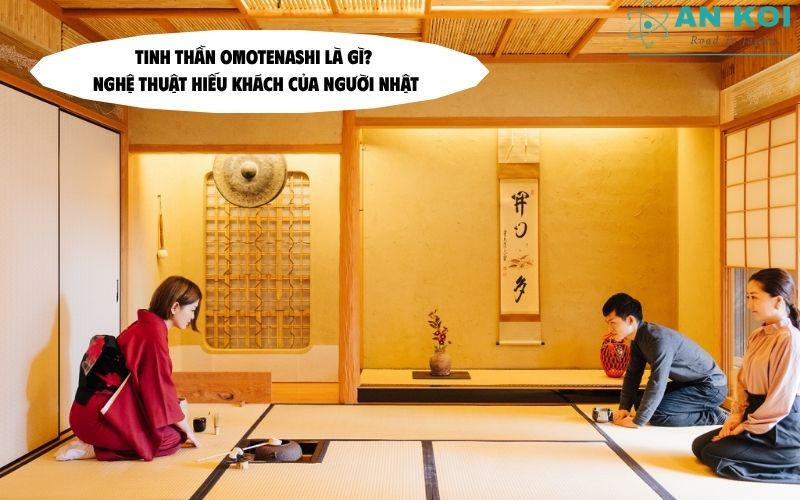
What is Omotenashi spirit? The Japanese art of hospitality.
What is the Omotenashi spirit? How it differs from ordinary customer service
The Omotenashi spirit refers to the Japanese philosophy of welcoming and serving guests with sincerity, thoughtfulness, and without expecting anything in return. In Japanese culture, Omotenashi represents genuine hospitality that comes from the heart rather than simply following service procedures. Therefore, the Omotenashi spirit is not merely a customer service skill-it is a way of treating people with genuine care and respect.
One of the most distinctive characteristics of the Omotenashi spirit is the ability to anticipate guests’ needs before they are expressed. Service providers proactively create convenience while ensuring guests never feel watched, pressured, or disturbed. This philosophy has become the foundation of Japan’s reputation for courteous and attentive hospitality.
Unlike ordinary customer service, the Omotenashi spirit focuses primarily on the customer’s experience and emotions. It is built upon sincerity, empathy, and careful attention to every detail, making Japanese hospitality truly exceptional.
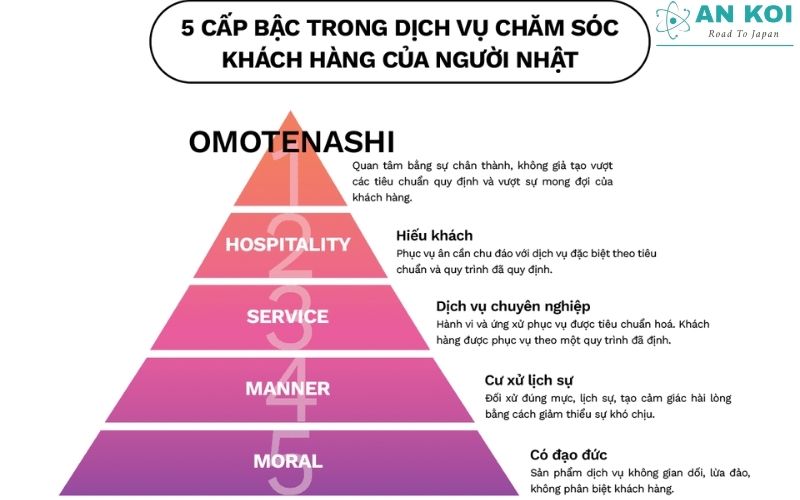
What is the Omotenashi spirit?
The origins of the Omotenashi philosophy
The Omotenashi spirit has evolved over many generations, deeply rooted in the Japanese tea ceremony, etiquette, and a lifestyle that values harmony. Rather than originating from business practices, this philosophy grew naturally from the Japanese way of respecting, caring for, and treating others with consideration. Over time, Omotenashi expanded beyond the tea ceremony and became the standard of hospitality across restaurants, hotels, retail businesses, transportation services, and Japanese corporate culture.
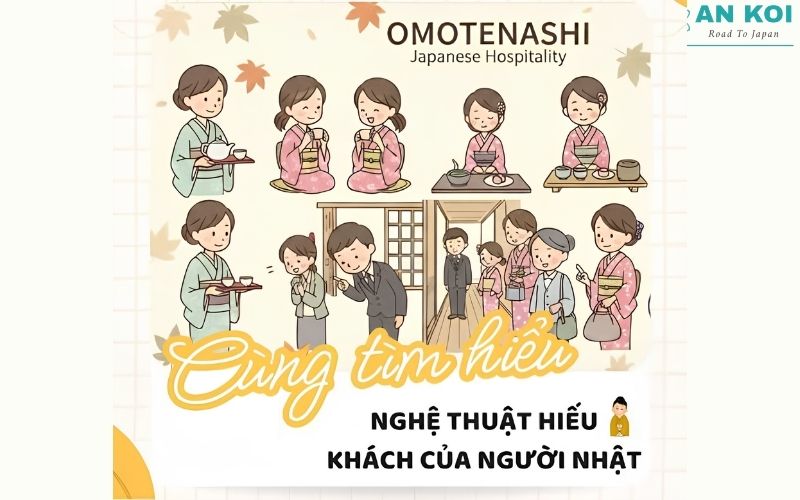
The origins of the Omotenashi spirit
1. The influence of tea ceremony on hospitality.
The Japanese tea ceremony is considered the foundation of the Omotenashi spirit. During every tea gathering, the host carefully prepares every aspect-from the setting and utensils to the arrangement of the room and even the smallest gestures-to create the most comfortable experience for guests. The philosophy of Ichigo Ichie (“one time, one meeting”) teaches that every encounter is unique and should be cherished with complete sincerity. From this tradition, the Omotenashi spirit inherited its emphasis on thoughtful service, refined attention to detail, and placing the guest’s experience above everything else.
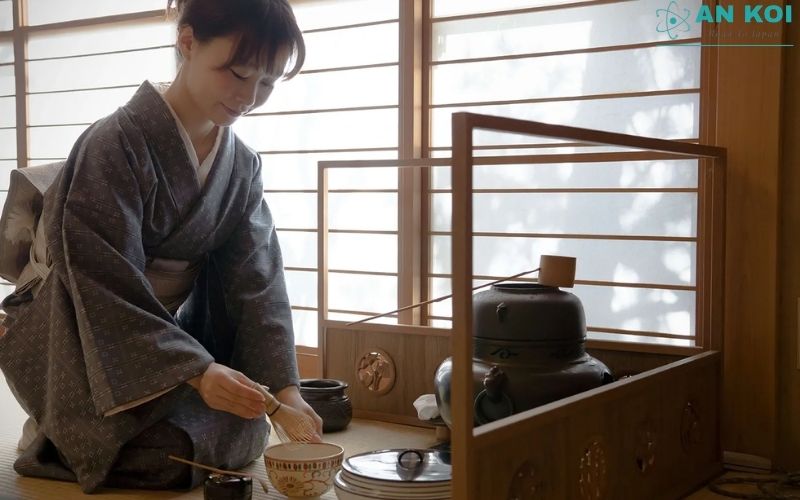
The influence of the tea ceremony contributes to the Omotenashi spirit
2. Influence from Japanese rituals and culture
Japanese culture places great importance on humility, proper manners, and respect for others. These values have profoundly shaped the Omotenashi spirit, which is reflected through polite greetings, the use of honorific language, presenting and receiving items with both hands, and maintaining courteous behavior. However, Omotenashi is not simply about performing etiquette correctly. A greeting becomes merely ceremonial if it lacks sincerity. The true essence of this philosophy lies in understanding the guest’s emotions and choosing the most appropriate way to respond in every situation.
Another important aspect of the Omotenashi spirit is avoiding inconvenience for others. Service staff observe guests from a respectful distance and step in only when assistance is needed. This balance between Japanese etiquette and genuine hospitality creates a style of service that is both refined and warm rather than distant.
>> See more:Japanese Bowing Style: 5 Standard Ojigi Techniques in Japanese Culture – An Koi
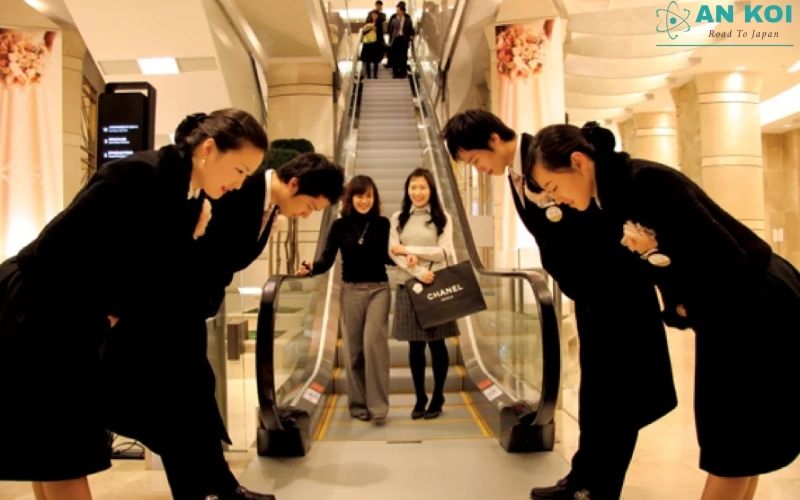
The Omotenashi spirit is influenced by Japanese culture and rituals.
3. The development of Omotenashi in modern society
Today, the Omotenashi spirit extends far beyond face-to-face hospitality. It has been incorporated into digital environments and a wide range of service industries. Businesses apply this philosophy by optimizing processes, personalizing experiences, and proactively addressing customer needs. Technologies such as AI, customer data, and multilingual support systems help improve service quality, but the core element of Omotenashi remains sincerity, understanding, and always putting people at the center.
The core values of the Omotenashi spirit
The value of the Omotenashi spirit is not determined by luxury or the number of services provided. Instead, it lies in how well service providers observe, prepare for, and respond to customers’ real needs. A small but well-timed gesture often leaves a stronger impression than an expensive gift. From a customer experience management perspective, the Omotenashi spirit can be understood through four essential principles:
1. Sincerity in every act of service.
Sincerity is the most important foundation of the Omotenashi spirit. Customers can easily recognize the difference between an employee who genuinely wants to help and one who simply follows a customer service script. Genuine service does not mean fulfilling every request. When a customer’s request cannot be accommodated, staff should clearly explain the reason, suggest an appropriate alternative, and protect the customer’s long-term interests.
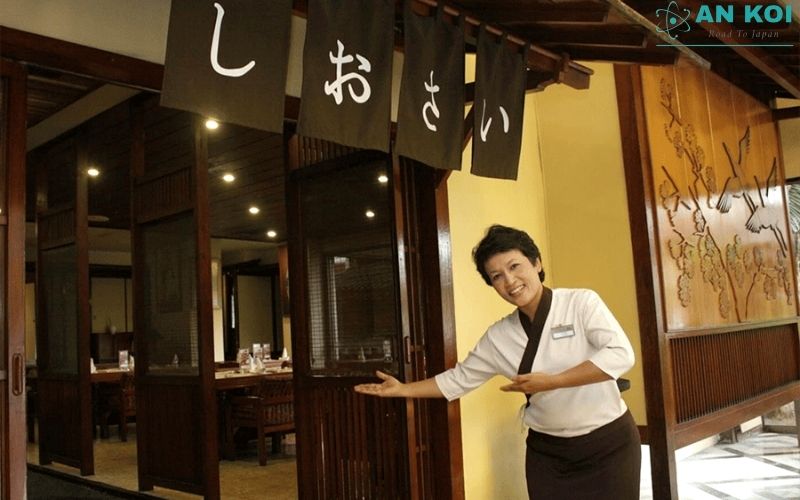
The core value of the Omotenashi spirit – Sincerity in every act of service.
To demonstrate the Omotenashi spirit, service professionals should:
- Listen carefully before responding.
- Do not shy away from responsibility when mistakes occur.
- Explain in simple, easy-to-understand language.
- Saying thank you and apologizing appropriately in the right context.
- Maintain a calm attitude when dealing with problems.
2. Observe the customer’s needs before they speak.
One of the defining characteristics of the Omotenashi spirit is the ability to observe and anticipate customers’ needs. Instead of waiting for requests, service staff recognize signals from customers’ behavior, circumstances, and emotions, then provide assistance at the right moment. For example, restaurant staff might prepare child seats when they see a family with a baby. Hotels might place umbrellas at the door when rain is forecast. These actions may not seem grand, but they demonstrate customer understanding.
To apply the Omotenashi spirit effectively, employees should develop the following skills:
- Observe body language.
- Ask concise, to-the-point questions.
- Remember the preferences of your regular customers.
- Recognize when to offer support.
- Proactively address basic needs.
3. Respect customers but don’t put pressure on them.
An essential principle of the Omotenashi spirit is respecting customers’ personal space and freedom of choice. Attention is only valuable when it’s timely. Excessive assistance from staff can make customers feel watched, pressured, or uncomfortable. In a store, staff shouldn’t constantly show products when customers want to browse for themselves. In a restaurant, asking too many questions can disrupt conversation. Appropriate service involves maintaining a reasonable distance and being readily available when assistance is needed.
Practicing the Omotenashi spirit requires balancing proactiveness with sensitivity. Servers should provide sufficient information, clearly explain the options, and then let customers decide for themselves. This demonstrates respect for the customer, not indifference or lack of enthusiasm.
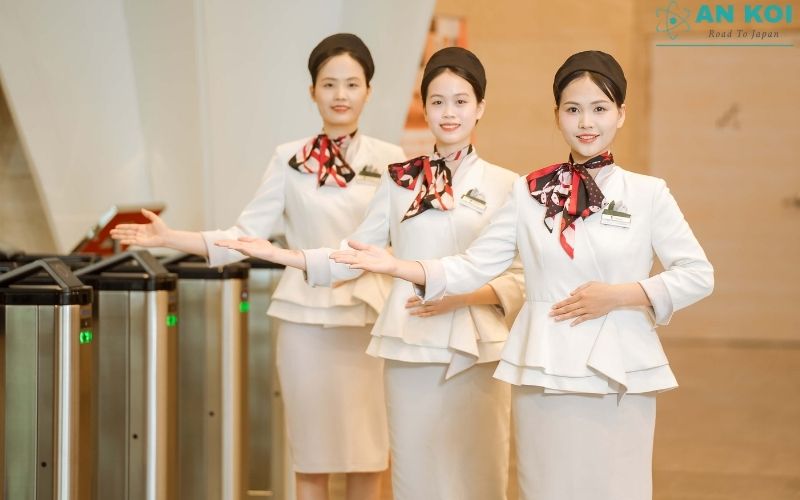
The core value of the Omotenashi spirit is respect for the customer, without putting pressure on them.
4. Pay attention to the small details in the experience.
Small details often shape a customer’s overall impression of a service. For this reason, the Omotenashi spirit emphasizes every customer touchpoint, from greetings and presentation to cleanliness, signage, and even the farewell. For example, a store providing waterproof bags for products on rainy days demonstrates care that goes beyond a typical transaction. A hotel placing power outlets near work desks shows that the establishment has researched the needs of business travelers.
When implementing the Omotenashi spirit, businesses should regularly evaluate:
- Is it easy for guests to find the information?
- Which process is causing the delay?
- Is the space convenient and clean?
- Do the staff provide consistent service?
- Do customers receive support after purchase?
The Omotenashi spirit – The Japanese art of hospitality in practice.
In daily life, the Omotenashi spirit is expressed through thoughtful actions that may appear small but carry great meaning. Japanese people prepare for guests’ needs in advance, maintain shared spaces with care, and strive to avoid inconveniencing others. From restaurants and hotels to private homes and public transportation, Omotenashi has become a defining standard of Japanese hospitality.
1. Omotenashi in restaurants and hotels
Restaurants and hotels are among the places where the Omotenashi spirit is most clearly demonstrated. From the moment guests arrive, staff warmly welcome them, provide guidance, and carefully observe their needs to offer timely assistance. Meals are served on time, and rooms are prepared to suit each guest’s needs. Details such as remembering special requests, preparing supplies for young children, and attentively seeing guests off contribute to a polished experience and leave a lasting impression.
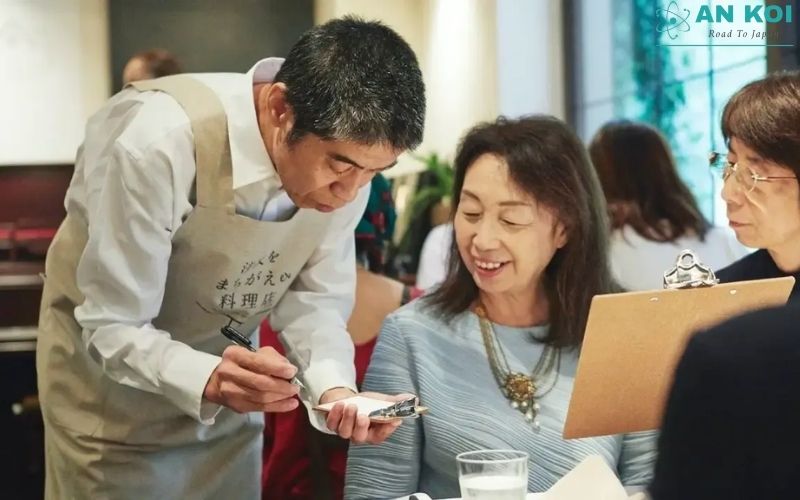
The Omotenashi spirit in restaurants and hotels.
2. How to welcome guests in a Japanese home
When welcoming guests into their homes, Japanese families express the Omotenashi spirit through careful preparation of both the environment and the hospitality they provide. Hosts typically clean the reception area, prepare slippers, and arrange items neatly before guests arrive. Drinks, pastries, or dishes are usually chosen according to the weather, the time of day, and the preferences of the guests. Hosts prioritize comfort but avoid intrusive questions. This allows guests to feel appreciated while still maintaining their privacy.
Within Japanese family culture, the Omotenashi spirit is also reflected by:
- Greet guests on time and courteously.
- Proactively guide people to where to put their shoes and coats.
- Don’t make guests have to find their own supplies.
- See the guests to the door at the end of the meeting.
- Send a thank-you note after the meeting when appropriate.
3. Dedication in Retail and Transportation
The Omotenashi spirit is equally evident in retail businesses and public transportation. Employees provide courteous service, offer thoughtful recommendations, and carefully package products, even when customers decide not to make a purchase. On trains and at stations, clear signage and up-to-date information help passengers navigate conveniently. This thoughtfulness stems from both operational processes and a commitment to prioritizing the customer experience.
4. A culture of service in times of crisis.
Even during natural disasters or unexpected emergencies, the Omotenashi spirit continues to guide service in Japan through calmness and responsibility. Staff prioritize safety, provide accurate information, and proactively assist those in need. Instead of simply apologizing, they focus on finding solutions and minimizing inconvenience for customers. This professional conduct in difficult circumstances contributes to building trust and affirming the value of Japanese service culture.
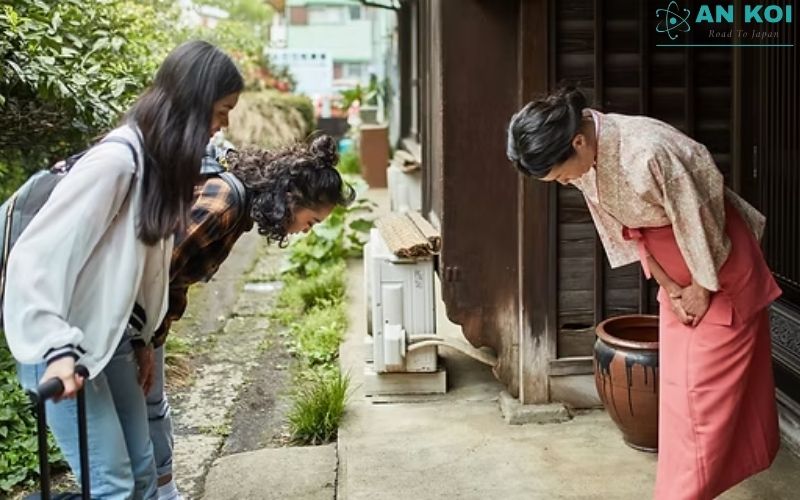
The Omotenashi spirit – The Japanese art of hospitality in practice.
The Omotenashi spirit is far more than the Japanese art of hospitality – it is a philosophy of life built on sincerity, thoughtfulness, and respect for others. From the tea ceremony and everyday life to today’s service industries, Omotenashi has become an essential part of Japanese culture and serves as an inspiring model for businesses around the world.
If you would like to learn more about Japanese culture, the Japanese way of life, or are planning to study in Japan, follow ANKOI’s Japanese Culture section. There, you will discover valuable knowledge about the Japanese language, culture, and practical study and work experiences to help you prepare for life in the Land of the Rising Sun.
>> See more:Japanese apology culture: Meaning, ways of saying it, and situations.
Latest Posts


Hashtags
Contact


