


20/04/2026
When mentioning Japan, many people immediately think of sushi, ramen, or delicate dishes. However, what makes it special is not only the food but also The culinary culture of the Japanese people. This is one of the important factors that helps Japan become one of the countries with the highest life expectancy in the world.
From the way ingredients are selected and prepared to the dining rules of Japanese people, everything reflects respect for food and nutritional balance. The article below will help you better understand The culinary culture of the Japanese people, its distinctive characteristics, as well as the scientific diet of the Japanese that you can apply to your daily life.
The culinary culture of the Japanese people: The secret to healthy living
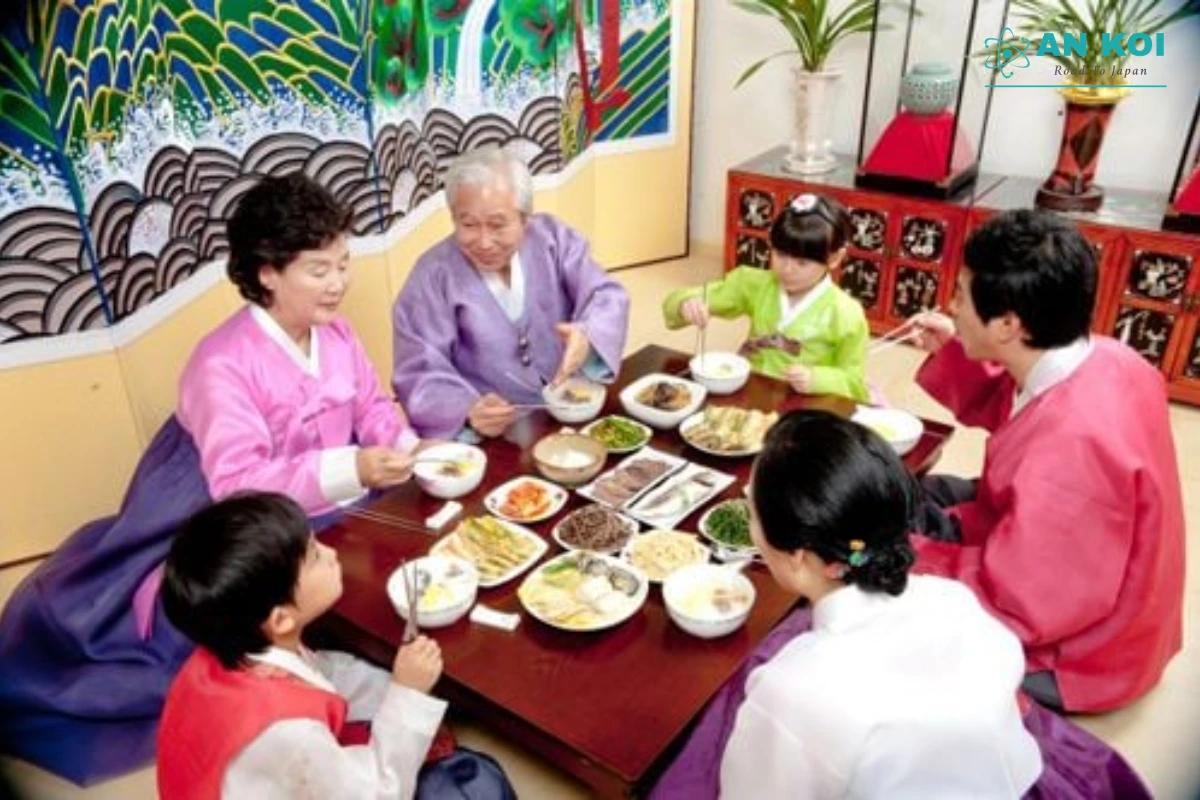
The culinary culture of the Japanese people: The secret to healthy living
The culinary culture of the Japanese people is not simply about eating to be full but also a way to take care of health and show respect for nature. Japanese people believe that each meal needs a balance between nutrition, flavor, and aesthetics.
In The culinary culture of the Japanese people, meals usually include many small dishes with moderate portions. This helps diners enjoy many different flavors without eating too much. In addition, they also focus on fresh ingredients, little oil, and limited strong seasonings.
Thanks to these principles, The culinary culture of the Japanese people is considered one of the healthiest diets in the world. Not only is it good for health, but it also helps Japanese people maintain a balanced figure and live longer.
>> See more: Why do Japanese people live long? The secret to longevity in Japan
Distinctive characteristics of The culinary culture of the Japanese people
The culinary culture of the Japanese people stands out for its sophistication, balance, and respect for food. From selecting ingredients and cooking methods to the presentation of dishes, everything shows attention to health and aesthetics. These factors have created unique characteristics in Japanese cuisine.
Prioritizing fresh ingredients and preserving natural flavors
Prioritizing fresh ingredients: Seafood, seasonal vegetables, soybeans, and rice are common foods in The culinary culture of the Japanese people.
Light seasoning in cooking: Japanese people often preserve the natural flavors of food, typically in dishes like sushi or sashimi which are almost not elaborately cooked.
Light and easy-to-digest cuisine: The simplicity in cooking helps dishes retain their freshness and become light, which is beneficial for health.

The culinary culture of the Japanese people prioritizes fresh ingredients and preserves natural flavors.
Sophisticated and harmonious presentation of dishes
Not only focusing on flavor, The culinary culture of the Japanese people also emphasizes aesthetics in presentation. A Japanese meal is usually divided into many small plates, each dish served in a separate portion.
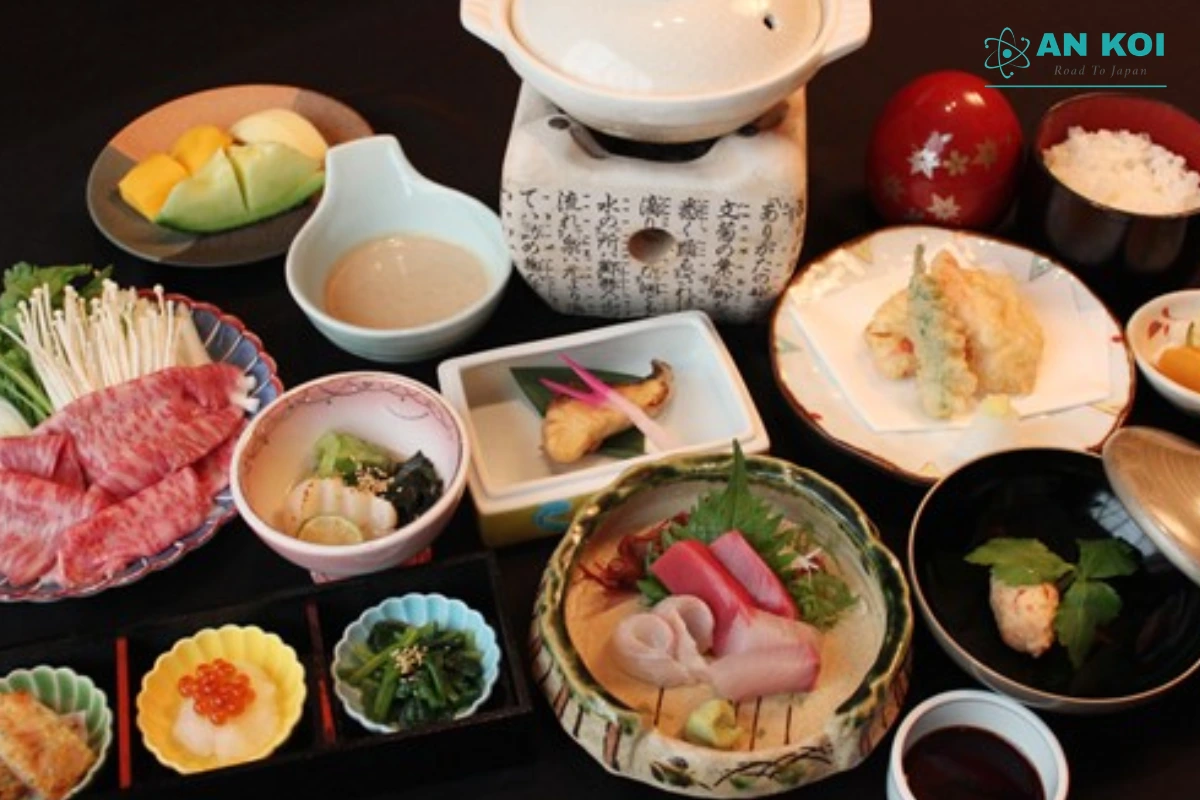
In The culinary culture of the Japanese people, the presentation of dishes is always sophisticated and harmonious.
This presentation style helps diners easily enjoy each dish without mixing flavors. In addition, the colors of the dishes are also harmoniously combined to create an appetizing feeling.
The sophistication in presentation is an important factor that creates the distinctive characteristics of The culinary culture of the Japanese people.
Small portions but diverse foods
A traditional Japanese meal usually includes many different dishes such as rice, fish, miso soup, vegetables, and pickles. Each dish has a small portion but provides sufficient nutrients.
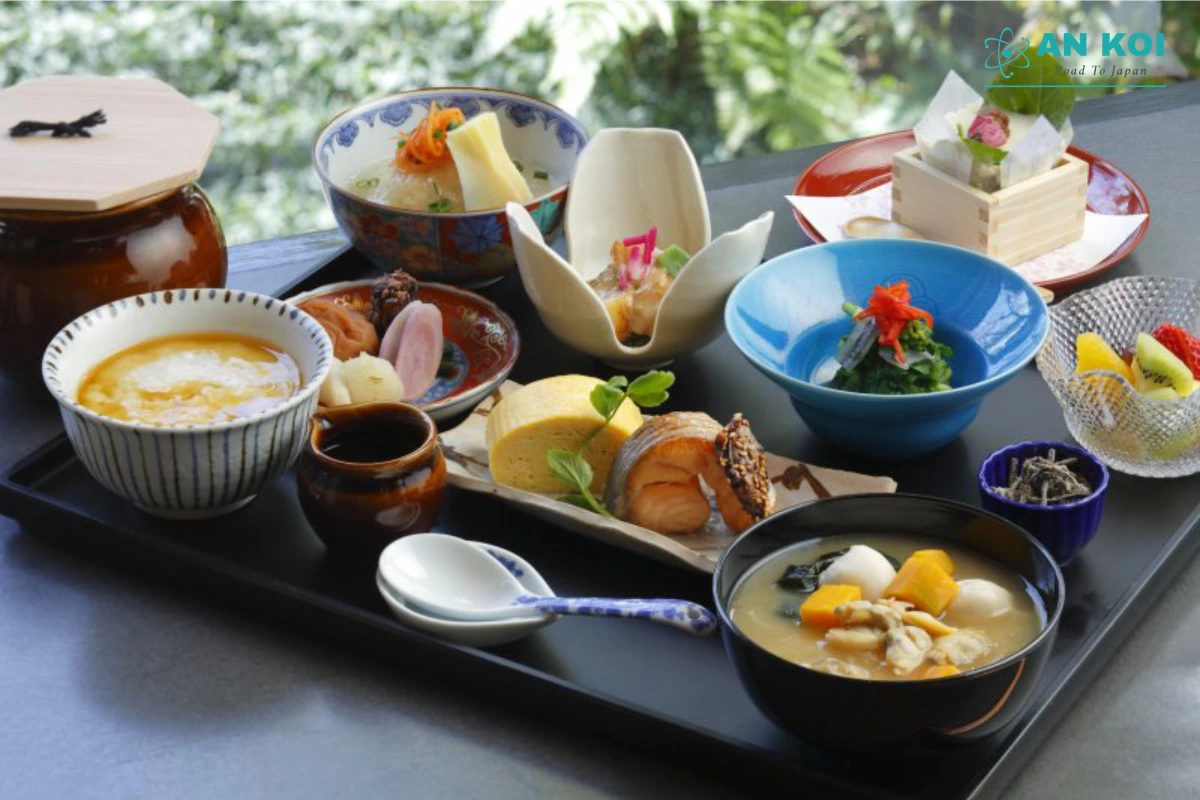
Small portions but diverse foods in The culinary culture of the Japanese people.
This is why the scientific diet of the Japanese always ensures a balance between carbohydrates, protein, and vitamins. As a result, the body can absorb nutrients easily without being overloaded.
>> Read more: What are Japanese people like? 7 qualities that make the world admire them
The dining rules of the Japanese reflect respect and sophistication
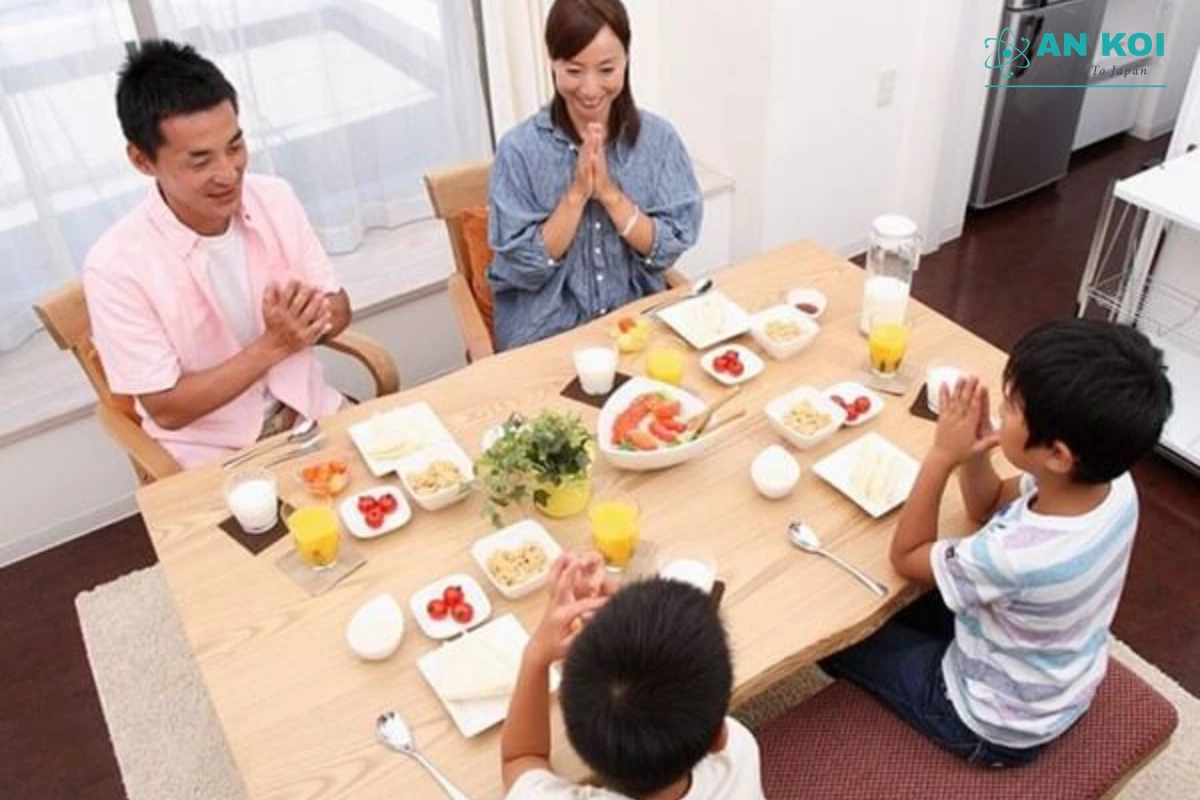
In The culinary culture of the Japanese people, the rules at the dining table reflect respect and sophistication.
In The culinary culture of the Japanese people, the rules at the dining table show politeness and respect for others. From the way chopsticks are used to the words spoken before and after a meal, everything carries its own meaning.
- Say “Itadakimasu” before eating and “Gochisousama” after the meal: This is one of the familiar dining rules of the Japanese. “Itadakimasu” is said before the meal to express gratitude to the cook and the food, while “Gochisousama deshita” is said after the meal to express thanks and appreciation.
- Do not stick chopsticks upright into a bowl of rice: In The culinary culture of the Japanese people, this action is considered taboo because it often appears in funeral rituals. Therefore, after finishing a meal, Japanese people usually place their chopsticks on a chopstick rest or lay them horizontally on the bowl.
- Enjoy each small bite and eat slowly: Japanese people have the habit of chewing carefully and enjoying food slowly. This way of eating helps the body digest more easily, control food intake better, and contributes to the scientific diet of the Japanese.
The scientific diet of the Japanese helps extend longevity
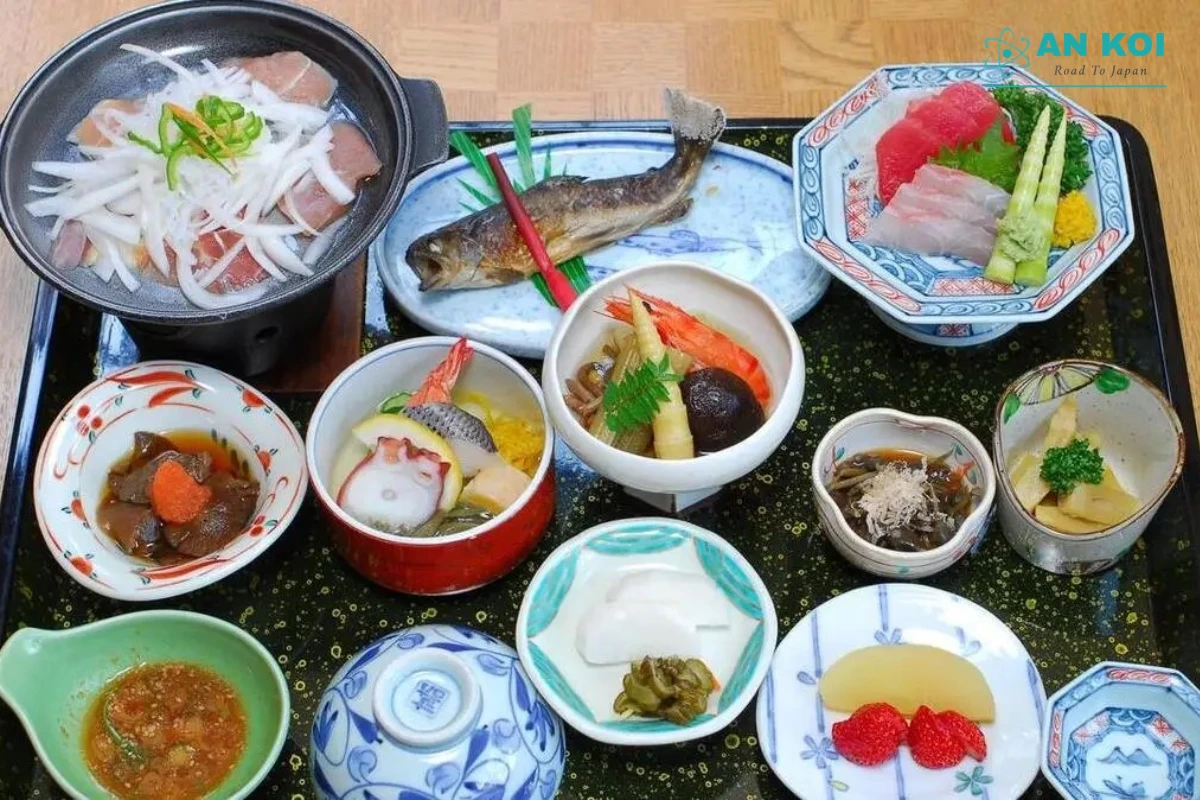
The culinary culture of the Japanese people with a scientific menu helps extend longevity.
One of the reasons that helps Japanese people have a high life expectancy is thanks to the scientific diet of the Japanese. Their meals often emphasize nutritional balance, reasonable portions, and healthy eating habits.
- Eat more fish and seafood instead of red meat: In the scientific diet of the Japanese, fish and seafood are used frequently. Fish such as salmon, mackerel, or tuna are rich in omega-3 which is good for the cardiovascular system, while also containing less saturated fat than red meat, thereby helping reduce the risk of cardiovascular disease and obesity.
- The Hara Hachi Bu principle – eating until about 80% full: This is a famous principle in The culinary culture of the Japanese people, especially popular in Okinawa. This principle advises people to eat only until they feel about 80% full, helping the digestive system function better and maintain energy balance for the body.
- The balance between carbohydrates, vegetables, and protein: A traditional Japanese meal usually includes rice, fish, vegetables, and miso soup. This combination creates the scientific diet of the Japanese with full groups of nutrients such as carbohydrates, protein, vitamins, and fiber necessary for the body.
Lessons from The culinary culture of the Japanese people for modern lifestyles
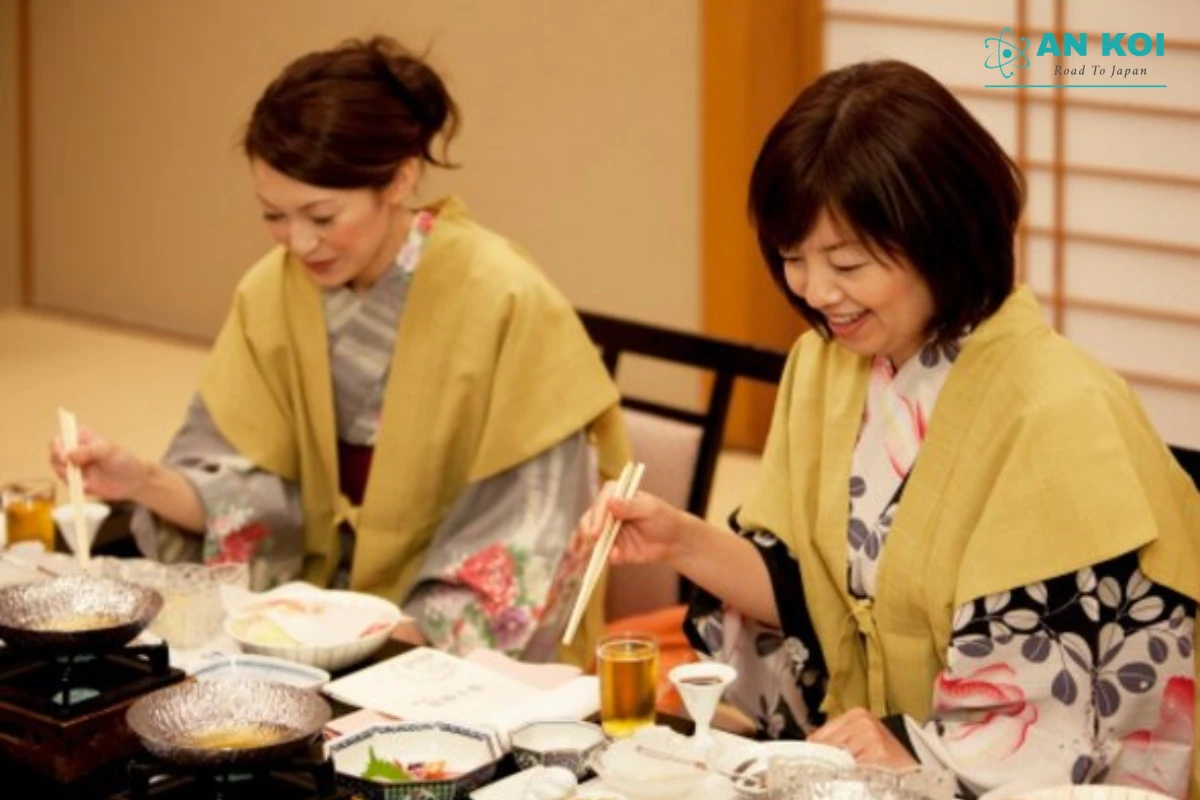
Lessons from The culinary culture of the Japanese people for modern lifestyles日本と聞くと、多くの人はすぐに寿司やラーメン、あるいは繊細な料理を思い浮かべます。しかし、特別なのは料理だけではなく、日本人の食文化にもあります。これは、日本が世界でも有数の長寿国となっている重要な要因の一つです。
食材の選び方、調理方法、そして日本人の食事のルールに至るまで、すべてが食べ物への敬意と栄養バランスを大切にしていることを表しています。以下の記事では、日本人の食文化、その特徴、そして日常生活に取り入れることができる日本人の健康的な食事法について、より深く理解することができます。
日本人の食文化:健康に生きるための秘訣
日本人の食文化:健康に生きるための秘訣
日本人の食文化は、単にお腹を満たすためのものではなく、健康を守り、自然への敬意を表す方法でもあります。日本人は、毎回の食事には栄養、味、そして見た目のバランスが必要だと考えています。
日本人の食文化では、食事は通常、適度な量の小さな料理をいくつも組み合わせて構成されます。これにより、食べ過ぎることなく、さまざまな味を楽しむことができます。また、新鮮な食材を重視し、油を控えめにし、強い調味料をあまり使わないことも特徴です。
これらの原則のおかげで、日本人の食文化は世界で最も健康的な食事法の一つとされています。健康に良いだけでなく、日本人がバランスの取れた体型を保ち、長生きすることにも貢献しています。
>> もっと読む:なぜ日本人は長生きするのか?日本人の長寿の秘訣
日本人の食文化の特徴
日本人の食文化は、繊細さ、バランス、そして食べ物への敬意で際立っています。食材の選び方、調理方法、料理の盛り付けに至るまで、すべてが健康と美しさへの配慮を表しています。これらの要素が、日本料理の独自の特徴を生み出しています。
新鮮な食材を優先し、自然の味を保つ
新鮮な食材を優先する:海産物、旬の野菜、大豆、そして米は、日本人の食文化でよく使われる食材です。
調味料を控えた調理:日本人は食材本来の味を大切にすることが多く、寿司や刺身のように、ほとんど手を加えずに提供される料理が代表的です。
あっさりとして消化しやすい料理:調理法のシンプルさにより、料理は新鮮さを保ち、軽くて健康に良いものになります。
日本人の食文化は、新鮮な食材を優先し、自然の味を保つことを大切にしています。
料理の盛り付けの繊細さと調和
味だけでなく、日本人の食文化は盛り付けの美しさも重視しています。日本の食事は通常、複数の小皿に分けて提供され、それぞれの料理が別々の分量で盛り付けられます。
日本人の食文化では、料理の盛り付けは常に繊細で調和が取れています。
この盛り付け方により、味が混ざることなく、それぞれの料理を楽しむことができます。また、料理の色合いも調和よく組み合わせられ、食欲をそそる見た目を作り出しています。
盛り付けの繊細さは、日本人の食文化の特徴を生み出す重要な要素です。
少量でも多様な食材
日本の伝統的な食事は、ご飯、魚、味噌汁、野菜、漬物など、さまざまな料理で構成されています。それぞれの料理の量は少ないですが、必要な栄養素を十分に提供します。
日本人の食文化における、少量でも多様な食材。
これが、日本人の健康的な食事法が常に炭水化物、タンパク質、ビタミンのバランスを保っている理由です。そのため、体は負担なく栄養を吸収することができます。
>> もっと読む:日本人はどんな人?世界が尊敬する7つの特質
日本人の食文化における食事のルールは、敬意と繊細さを表しています
日本人の食文化では、食卓でのルールが敬意と繊細さを表しています。
日本人の食文化では、食卓でのルールは礼儀や他人への敬意を示しています。箸の使い方から、食事の前後に言う言葉に至るまで、それぞれに意味があります。
食事の前に「いただきます」、食後に「ごちそうさま」と言う:これは日本人にとってよく知られている食事のルールの一つです。「いただきます」は食事の前に料理を作った人や食材への感謝を表すために言われ、「ごちそうさまでした」は食事の後に感謝と敬意を表すために言われます。
箸をご飯の茶碗にまっすぐ立ててはいけない:日本人の食文化では、この行為は葬儀の儀式を連想させるため、タブーとされています。そのため、食事が終わった後、日本人は通常、箸置きの上に箸を置くか、茶碗の上に横に置きます。
一口ずつゆっくり味わって食べる:日本人はよく噛んでゆっくり食事を楽しむ習慣があります。この食べ方は消化を助け、食べる量をよりよくコントロールでき、日本人の健康的な食事法を形作る要素にもなっています。
日本人の健康的な食事法は長寿を支えます
日本人の食文化における科学的な食事メニューは、長寿を支えています。
日本人が高い平均寿命を持つ理由の一つは、日本人の健康的な食事法にあります。彼らの食事は通常、栄養バランス、適切な量、そして健康的な食習慣を重視しています。
赤身肉の代わりに魚や海産物を多く食べる:日本人の健康的な食事法では、魚や海産物が頻繁に使われます。サーモン、サバ、マグロなどの魚は心臓に良いオメガ3を豊富に含み、さらに赤身肉より飽和脂肪が少ないため、心血管疾患や肥満のリスクを減らすのに役立ちます。
腹八分目の原則 – 約80%の満腹まで食べる:これは日本人の食文化の中でも有名な原則で、特に沖縄で広く知られています。この原則は、人が満腹と感じる約80%まで食べることを勧めており、消化器系の働きを良くし、体のエネルギーバランスを保つのに役立ちます。
炭水化物、野菜、タンパク質のバランス:日本の伝統的な食事は通常、ご飯、魚、野菜、味噌汁で構成されています。この組み合わせにより、炭水化物、タンパク質、ビタミン、食物繊維など、体に必要な栄養素を十分に含む日本人の健康的な食事法が生まれます。
現代のライフスタイルへの日本人の食文化からの教訓
現代のライフスタイルへの日本人の食文化からの教訓
日本人の食文化から、私たちは現代生活に応用できる多くの価値ある教訓を得ることができます。日々の食事の中の一見シンプルな習慣が、健康維持や栄養バランスに大きく貢献しています。
ゆっくり食べて料理を味わう:一口一口に集中することで味を十分に感じることができ、同時に消化器系の働きもより良くなります。
新鮮な食材を優先し、油脂を控える:新鮮な食材を選び、シンプルに調理することで、食材本来の栄養価を保つことができます。
適切な量で多様な食材を食べる:さまざまな種類の食材を組み合わせながら、適度な量で食べることで体は十分な栄養を吸収できます。
毎食で栄養バランスを保つ:炭水化物、タンパク質、野菜のバランスが取れた食事は、健康的で持続可能なライフスタイルの構築に貢献します。
もし日本が好きで、日本人の食文化、伝統的な料理、そして桜の国での生活についてさらに深く知りたいなら、ぜひ私たちのウェブサイトの最新記事をフォローしてください。
AnKoiは、日本の文化、旅行、そして料理に関する興味深い情報を常に更新し、最もリアルで魅力的な視点をお届けします。
Website:https://ankoi.vn/
Fanpage:https://www.facebook.com/duhocankoi
Hotline: 0906 378 027
From The culinary culture of the Japanese people, we can draw many valuable lessons to apply to modern life. Seemingly simple habits in daily meals contribute significantly to maintaining health and nutritional balance.
- Eat slowly and enjoy food: Focusing on each bite helps fully experience the flavor, while also supporting the digestive system to function more effectively.
- Prioritize fresh foods and limit oil and fat: Choosing fresh ingredients and simple cooking methods helps preserve the natural nutritional value of food.
- Eat a variety of foods with reasonable portions: Combining many different types of foods but in moderate amounts helps the body absorb sufficient nutrients.
- Maintain nutritional balance in every meal: A meal balanced between carbohydrates, protein, and vegetables will contribute to building a healthy and sustainable lifestyle.
If you love Japan and want to learn more about The culinary culture of the Japanese people, traditional cuisine as well as life in the land of cherry blossoms, follow the latest articles on our website.
AnKoi always updates interesting information about Japanese culture, travel, and cuisine to bring you the most authentic and engaging perspectives.
- Website:https://ankoi.vn/
- Fanpage:https://www.facebook.com/duhocankoi
- Hotline: 0906 378 027
Latest Posts


Hashtags
Contact


