

06/07/2026
Many people believe that Tokyo, the capital of Japan is officially designated as the nation’s capital. However, there is one surprising fact that many are unaware of: Japanese law does not explicitly define Tokyo as the country’s official capital. So, is Tokyo really the capital of Japan? Does Japan even have a legally designated capital? In this article, ANKOI answers these questions while exploring the history, role, and remarkable features of Tokyo, the capital of Japan.
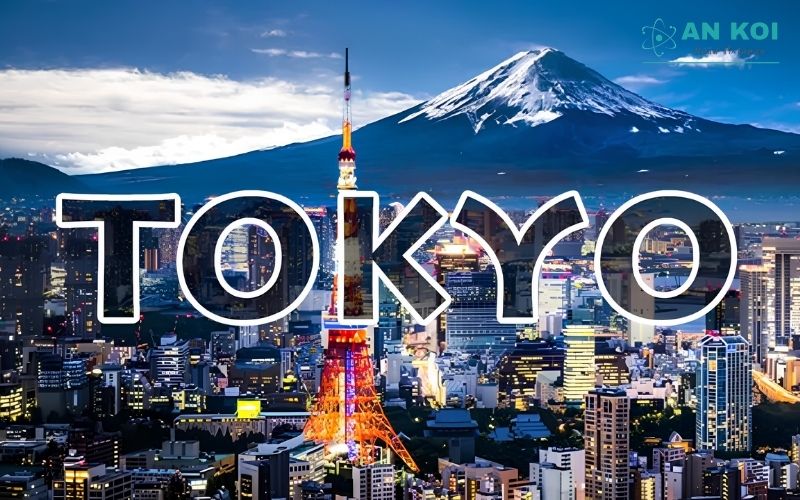
Tokyo, the capital of Japan: Facts not everyone knows.
Is Tokyo, the Capital of Japan Really the Capital?
Is Tokyo the capital of Japan?
The answer is yes – but in a rather unique way. In practice, Tokyo, the capital of Japan is recognized worldwide as the nation’s capital because it is home to the country’s highest governing institutions. The Imperial Family, the National Diet, the Cabinet Office, and most central government ministries are all located in Tokyo.However, from a legal perspective, Japan has never enacted a specific law officially declaring Tokyo to be the national capital. This legal distinction is why many people continue to ask whether Tokyo, the capital of Japan is officially the country’s capital.
Nevertheless, in international documents, maps, textbooks, and diplomatic activities, Tokyo, the capital of Japan is universally recognized as Japan’s capital. This understanding is accepted around the world and is also how Japanese people refer to Tokyo in everyday life.In other words, Tokyo functions as Japan’s de facto capital, even though no separate law explicitly defines it as such.
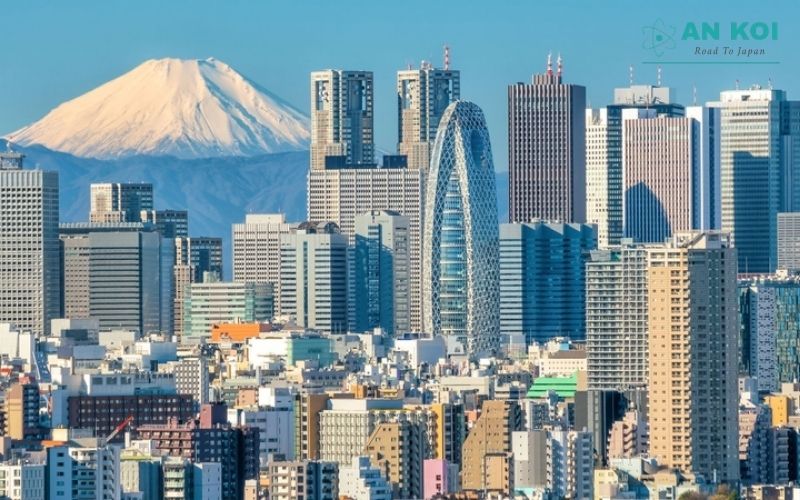
Is Tokyo the capital of Japan?
Why is Tokyo considered the de facto capital?
There are several reasons why Tokyo, the capital of Japan has long been recognized as the center of the nation. First, Tokyo became the residence of the Japanese Imperial Family in 1869, after Emperor Meiji moved the imperial seat from Kyoto. From that point onward, the entire central government was also relocated to Tokyo.
Beyond its historical significance, Tokyo has become Japan’s leading city in many important areas:
- National political and administrative center.
- Japan’s largest financial hub.
- One of the world’s highest-GDP metropolitan areas.
- A major transportation and technology hub in Asia.
- Host city for numerous significant international events.
Because of these factors, Tokyo, the capital of Japan continues to be recognized by the Japanese public, international organizations, and countries around the world as Japan’s capital in practice, despite the absence of a formal legal declaration.
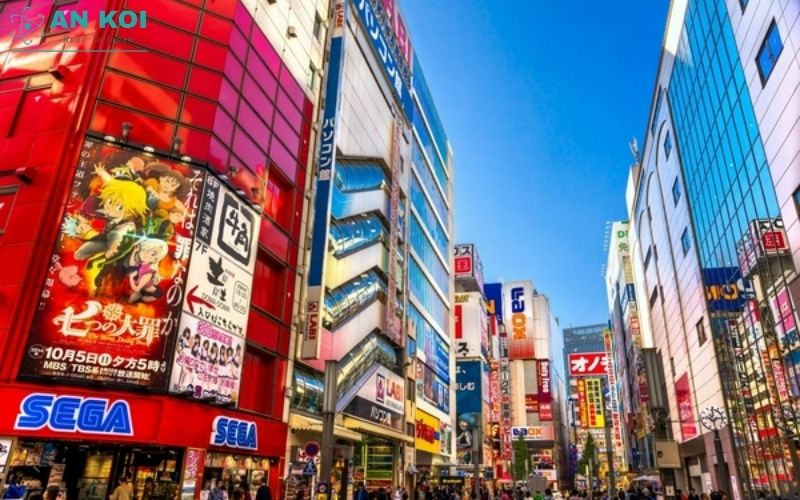
Why is Tokyo considered the de facto capital of Japan?
Overview of Tokyo, the capital of Japan.
Location of Tokyo, the capital of Japan
Tokyo, the capital of Japan is located in the Kanto region on the eastern side of Honshu Island, facing Tokyo Bay. Its strategic location has made it the nation’s key center for administration, commerce, and economic connectivity. Tokyo is more than just a single city. It is a unique metropolitan prefecture consisting of 23 special wards, numerous suburban cities, towns, villages, and offshore islands, making it one of the largest metropolitan areas in the world.
With an advanced transportation network – including extensive railway lines, the Shinkansen, and two international airports, Haneda and Narita –Tokyo, the capital of Japan serves as Japan’s political, economic, and cultural center while welcoming millions of tourists and international students each year.
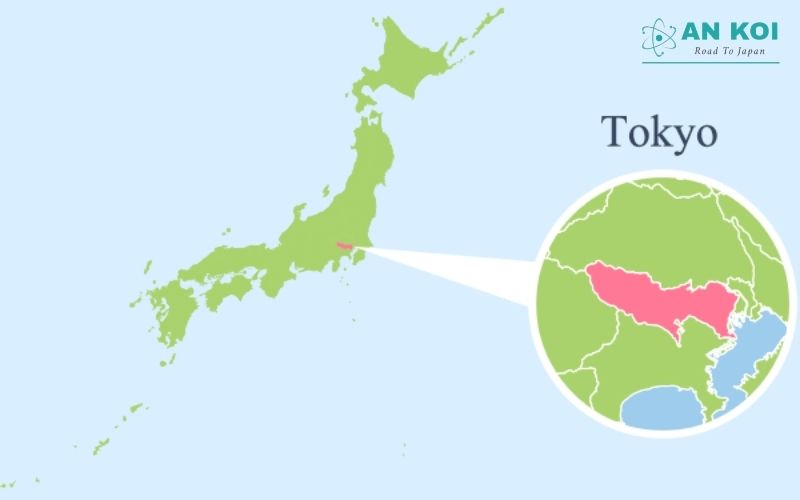
Why is Tokyo considered the de facto capital of Japan?
Area and population of Tokyo
When people think of Tokyo, the capital of Japan, they often picture one of the busiest cities in the world. In reality, the administrative area of Tokyo covers approximately 2,194 km², while the Greater Tokyo Area extends far beyond the city’s official boundaries.
Today, Tokyo’s central metropolitan area is home to approximately 14 million residents, while the Greater Tokyo metropolitan region has a population of nearly 37 million, making it the most populous metropolitan area in the world and the economic powerhouse of Japan.
Some of Tokyo’s most notable characteristics include:
- High population density supported by efficient urban planning.
- A highly developed public transportation system.
- Green spaces carefully preserved alongside urban development.
- A consistently high quality of life, ranking among the world’s best.
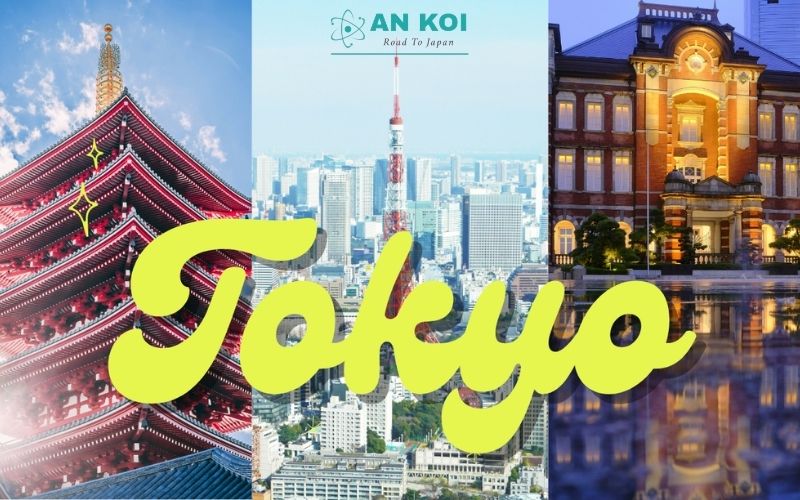
Area and population of Tokyo, the capital of Japan.
The history of the formation of Tokyo, the capital of Japan.
Before becoming Tokyo, the capital of Japan, the city was known as Edo, the political center of the Tokugawa Shogunate, while Kyoto remained the residence of the Emperor. Following the Meiji Restoration in 1868, Edo was renamed Tokyo (meaning “Eastern Capital”), and Emperor Meiji moved to the city. In 1869, the Meiji government transferred the nation’s central administration to Tokyo, establishing it as Japan’s political center.
Although Japanese law has never formally designated Tokyo as the national capital, the city has since been widely recognized as Japan’s de facto capital.
|
Time |
Featured Events |
|
1603 |
Tokugawa Ieyasu established the Shogunate in Edo, making the city the political center of Japan. |
|
1868 |
Edo was renamedTokyo(Tokyo), where Emperor Meiji moved to live. |
|
1869 |
The Meiji government moved the central government to Tokyo, establishing its role as the nation’s political center. |
|
1923 |
The Kanto earthquake caused extensive damage, after which Tokyo was rebuilt according to a modern plan. |
|
1945 |
Tokyo suffered significant losses during World War II and entered a period of post-war recovery. |
|
1964 |
Hosting the Olympic Games marked a significant milestone in Tokyo’s development and affirmed its international standing. |
Today, Tokyo, the capital of Japan is not only the nation’s administrative center but also its leading hub for business, culture, and technology, playing a vital role in Japan’s continued development.
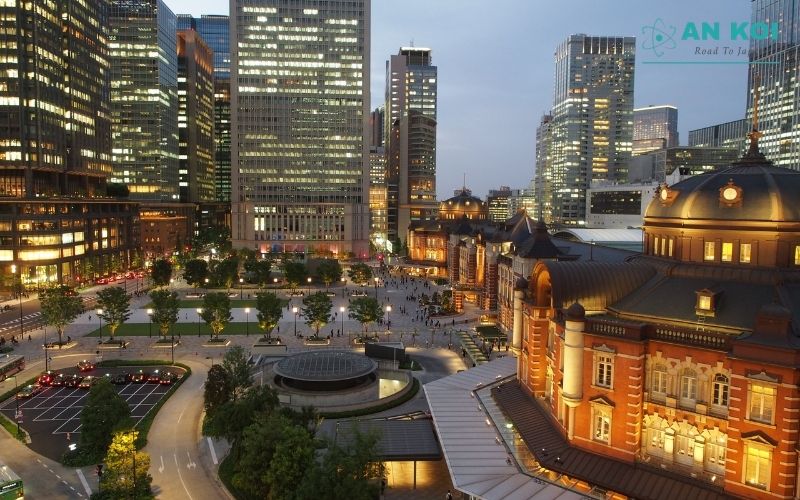
The history of the formation of Tokyo, the capital of Japan.
What makes Tokyo, the capital of Japan so important?
To become Tokyo, the capital of Japan and the driving force behind the nation’s development, the city has relied not only on its strategic geographical location but also on its strengths in politics, economics, education, and technology. These advantages have enabled Tokyo to maintain its leadership role in Japan for decades.
The key factors behind Tokyo’s prominence include:
- Political and administrative center: Tokyo is home to the Imperial Palace, the National Diet, the Prime Minister’s Office, and most central government ministries. It also hosts numerous diplomatic activities and major national events.
- Economic powerhouse: Tokyo contributes the largest share of Japan’s GDP and is home to the Tokyo Stock Exchange as well as the headquarters of global corporations such as Sony, Mitsubishi, and SoftBank.
- Education and research: The city is home to many prestigious universities, research institutes, and technology companies, creating an ideal environment for innovation and the development of highly skilled talent.
- Technology and innovation: Tokyo leads Japan in fields such as artificial intelligence (AI), robotics, electronics, and automation, strengthening the country’s competitiveness in the global market.
- A blend of tradition and modernity: Alongside bustling commercial districts and towering skyscrapers, Tokyo preserves historic temples, shrines, traditional neighborhoods, and cultural heritage, giving Tokyo, the capital of Japan its distinctive identity.
Famous landmarks in Tokyo, the capital of Japan.
1. Tokyo Imperial Palace
The Tokyo Imperial Palace is one of the most iconic landmarks in Tokyo, the capital of Japan and serves as the official residence of the Emperor of Japan.
Built on the site of the former Edo Castle, the palace is surrounded by moats and expansive gardens, creating a peaceful atmosphere in the heart of one of the world’s busiest cities. Although most of the palace grounds are not regularly open to the public, the East Gardens of the Imperial Palace welcome visitors and offer an excellent opportunity to learn about Japanese history. The Imperial Palace also symbolizes the harmonious coexistence of Tokyo’s rich traditions and modern development.
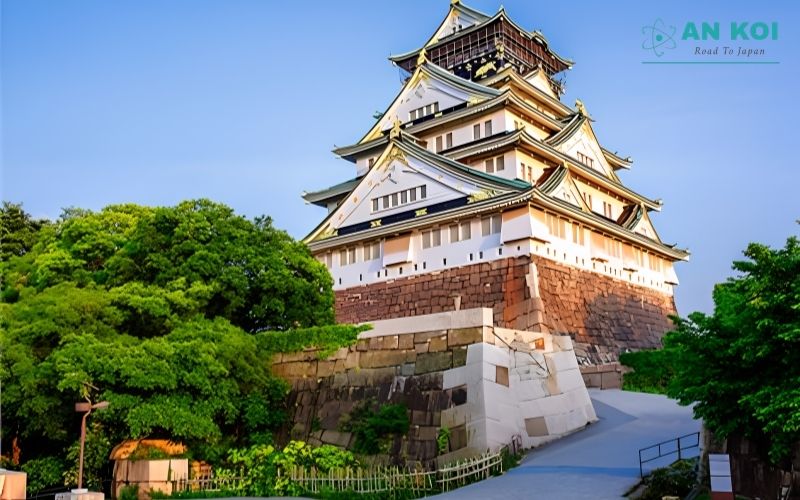
Tokyo Imperial Palace: A famous landmark in Tokyo, the capital of Japan.
2. Tokyo Tower
Tokyo Tower is an iconic landmark of Tokyo, the capital of Japan. Since its inauguration in 1958, the Tokyo Skytree, standing at 333 meters tall and designed with inspiration from the Eiffel Tower, was once Japan’s tallest television tower and a symbol of the country’s post-war recovery. Today, although Tokyo Skytree has replaced its primary broadcasting role, Tokyo Tower remains a popular tourist attraction, drawing large numbers of visitors thanks to its observation deck, panoramic city views, and exceptional historical value. It is also a frequently featured image in films and promotional materials about Japan.
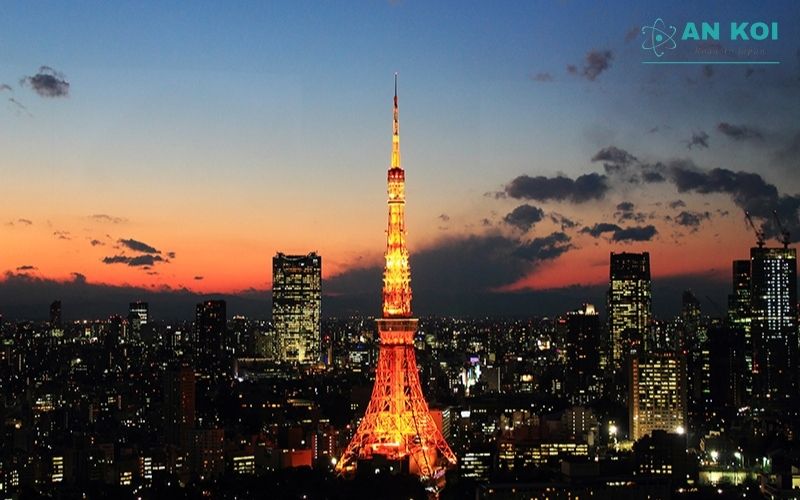
Tokyo Tower
3. Shibuya
Shibuya is a bustling neighborhood, representing the modern pace of life of Tokyo, the capital of Japan. Shibuya is famous for Shibuya Crossing, one of the busiest intersections in the world, along with numerous shopping malls, fashion boutiques, and entertainment venues. More than just a favorite tourist destination, Shibuya vividly reflects Tokyo’s youth culture, fashion trends, and dynamism. With its bustling atmosphere day and night, Shibuya has become one of the city’s iconic symbols.
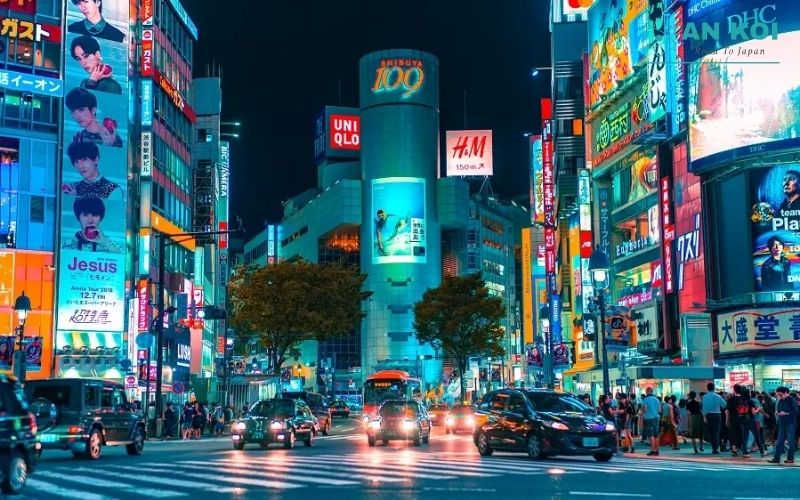
Shibuya: A bustling district in Tokyo, the capital of Japan.
Why is Tokyo a popular destination for international students?
Beyond being Tokyo, the capital of Japan, Tokyo is also one of the most popular destinations for international students thanks to its outstanding education system, abundant career opportunities, and modern living environment. For many Vietnamese students planning to study abroad, Tokyo is often the first choice.
Here are some of the main reasons why Tokyo is an ideal study destination:
- Home to prestigious universities: Tokyo is home to renowned institutions such as the University of Tokyo, Waseda University, Keio University, Sophia University, and Hitotsubashi University. The city also offers numerous Japanese language schools and vocational colleges to meet a wide range of educational needs.
- Plenty of part-time job opportunities: As Japan’s largest economic center, Tokyo has a strong demand for part-time workers in retail, restaurants, hotels, and service industries, allowing international students to earn extra income while gaining valuable work experience.
- Excellent career prospects: After graduation, students have access to a wide range of career opportunities in technology, finance, marketing, engineering, international trade, and many other industries, thanks to the presence of thousands of leading companies.
- Highly developed transportation system: Tokyo’s extensive railway, subway, and bus networks make commuting to school, work, and daily activities both convenient and time-efficient.
- A large Vietnamese community: Tokyo is home to many Vietnamese student associations, Vietnamese grocery stores, and long-established Vietnamese communities, making it easier for newcomers to adapt to life in Japan.
>> See more:Top 10 best universities in Japan for international students.
Study in Tokyo with ANKOI – Preparing for your journey to Japan.
As Tokyo, the capital of Japan, welcomes thousands of international students every year, careful preparation is essential for a successful study abroad experience. Having the right academic plan, Japanese language skills, and application documents can make your transition to studying and living in Japan much smoother.
ANKOI accompanies students throughout their journey to conquer Japan with the following services:
- Study abroad consultation: Personalized guidance on choosing the right school, major, and location based on your academic goals and financial situation.
- Application support: Assistance with preparing study abroad documents, completing applications, and meeting the requirements of schools and Japanese authorities.
- Japanese language training: Courses designed to build the language skills needed for studying, communicating, and adapting to life in Tokyo, the capital of Japan and other regions of Japan.
- Student support services: Guidance before and after arriving in Japan, including practical advice on studying, part-time jobs, and everyday life.
- Career planning: Consultation on future career paths, whether pursuing higher education or finding employment in Japan after graduation.
>> See more: Reputable Study Abroad Consulting Services in Khanh Hoa – Detailed A-Z Pathway – An Koi
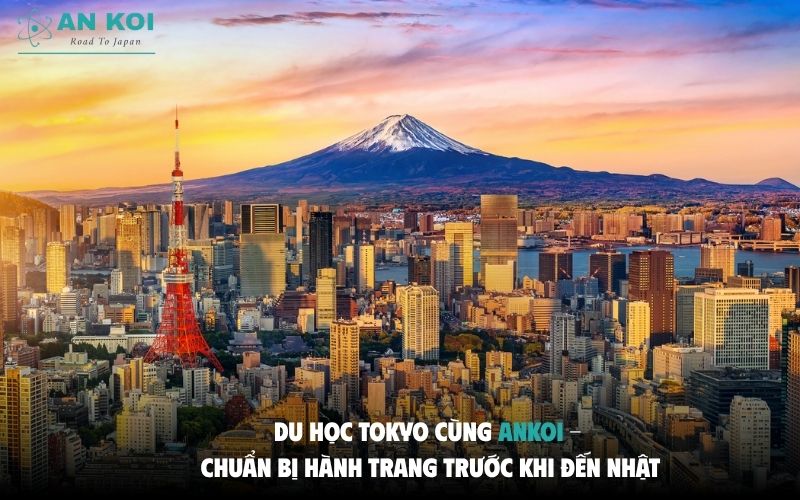
Study in Tokyo with ANKOI – Preparing for your journey to Japan.
If you are researching Tokyo, the capital of Japan as part of your study abroad plans, understanding the city’s educational environment, living costs, and career opportunities will help you make informed decisions. ANKOI regularly shares useful information about studying abroad in Japan, visas, and daily life to help you prepare confidently before beginning your journey to the Land of the Rising Sun.
- AN KOI Study Abroad Consulting Center
- Website: https://ankoi.vn/
- Hotline: 0905 393 642
- Address:35 To Hieu Street, Nha Trang Ward, Khanh Hoa Province
Latest Posts


Hashtags
Contact


